
Why Passive Fire Protection Is Critical in Mixed-Use Developments
Modern cities are changing fast. Across India, developers are building more mixed-use developments than ever before. These spaces combine residential apartments, offices, retail stores, restaurants, hotels, and entertainment areas within a single property. While these developments improve convenience and land use, they also create new fire safety challenges.
In a mixed-use building, hundreds or even thousands of people may use the same space daily. Residents sleep inside apartments, employees work in offices, and customers move through shopping areas. Each section comes with different fire risks. That is why passive fire protection becomes one of the most important safety measures in these developments.
Many people focus only on active systems like fire alarms, smoke detectors, fire sprinkler systems, and fire suppression systems. While these systems are important, they cannot fully stop a fire from spreading. Passive fire protection works differently. It slows the spread of fire and smoke, giving people more time to evacuate and helping emergency teams respond safely.
What Is Passive Fire Protection?
Passive fire protection refers to built-in fire safety measures that are permanently integrated into a building’s design and structure. Unlike active systems, passive systems do not require manual activation or electricity to work.
Its primary goal is simple: contain fire, reduce damage, and protect lives.
Common examples of passive fire protection include:
- Fire rated doors
- Fire-resistant walls and ceilings
- Fire-resistant coatings
- Compartmentation systems
- Fire stopping around cables and pipes
- Smoke barriers
These systems create protected zones inside a building. If a fire starts in one area, passive protection helps stop flames and smoke from quickly spreading to other sections.
In mixed-use developments, this becomes especially important because different spaces have very different occupancy levels and fire hazards.
- Restaurants may contain open flames and kitchen equipment.
- Office spaces have electrical systems and server rooms.
- Retail stores may store flammable goods.
- Residential areas contain furniture, electrical appliances, and gas connections.
- Parking areas often have fuel-related risks.
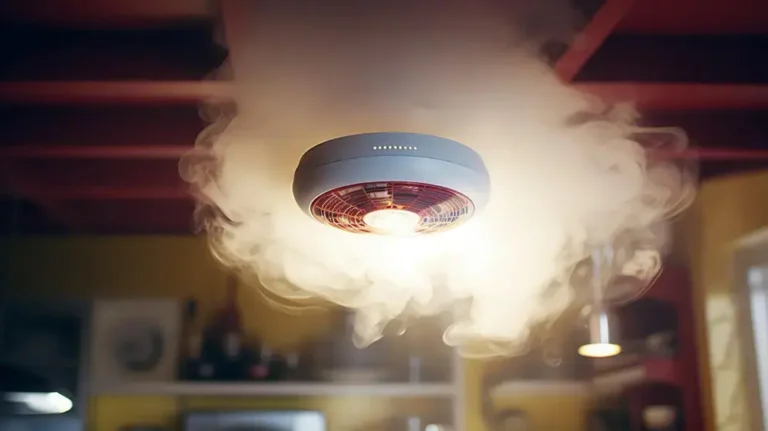
Passive Fire Protection Helps Contain Fire at the Source
One of the biggest benefits of passive fire protection is fire containment.
Instead of allowing flames to spread across an entire building, passive systems isolate the affected area.
For example, fire rated doors can slow the spread of heat and flames between sections of a building. These doors are designed to withstand fire for a specific period, often ranging from 30 minutes to several hours.
This additional time matters.
During an emergency, every minute helps residents evacuate safely and allows firefighters to respond before the situation becomes uncontrollable.
In mixed-use developments where crowd movement is high, controlled evacuation is extremely important.
Also Read: The Role of Passive Fire Protection in High-Rise Buildings
Smoke Control Is Just as Important as Fire Control
Many people think flames are the biggest danger during a fire. In reality, smoke often causes more fatalities than fire itself.
Toxic smoke spreads quickly through corridors, elevators, stairwells, and ventilation systems. In high-rise mixed-use developments, smoke movement can become dangerous within minutes.
Passive fire protection helps slow smoke migration by using:
- Smoke-resistant barriers
- Fire compartment walls
- Sealed penetrations around utility openings
- Fire rated doors
At the same time, active systems like smoke detectors and fire detection systems provide early warning so occupants can react faster.
When passive and active systems work together, overall fire safety improves significantly.
Better Safety for Different Occupants
A mixed-use building serves different types of people.
Residents may include children, elderly people, and families. Office workers follow different schedules. Retail customers may be unfamiliar with exits and emergency procedures.
Because evacuation behavior varies, developers cannot rely only on emergency alarms.
Passive fire protection creates safer evacuation routes and protected escape paths. Staircases, corridors, and exit passages remain usable for longer periods during emergencies.
This improves life safety for everyone inside the property.
Facility managers and safety officers often consider passive protection essential because it provides round-the-clock protection, even if active systems temporarily fail.
Supports Active Fire Protection Systems
Passive and active fire safety systems should never be seen as competitors. They work together.
Active systems respond to fire after detection. Passive systems control the spread from the beginning.
For example:
- Fire alarms alert occupants.
- Smoke detectors identify danger early.
- Fire sprinkler systems help suppress flames.
- Automatic sprinkler systems reduce fire intensity.
- Fire hydrant systems assist emergency responders.
- Passive fire protection prevents the fire from spreading rapidly.
Without containment, even advanced fire suppression systems may struggle to manage a rapidly spreading fire.
A balanced fire safety strategy always combines both approaches.
Compliance and Building Regulations Matter
Across India, fire safety standards for commercial and residential properties continue to evolve. Local authorities increasingly expect stronger compliance from developers.
Mixed-use developments often undergo stricter inspections because of higher occupancy and complex layouts.
Poor fire planning can lead to:
- Delayed project approvals
- Safety violations
- Increased legal risks
- Higher maintenance expenses
- Damage to brand reputation
Developers who invest in passive fire protection from the design stage often avoid expensive modifications later.
More importantly, they build safer spaces for occupants.
Why Fire Rated Doors Are Essential in Mixed-Use Buildings
Among all passive fire protection systems, fire rated doors play a major role.
These doors help compartmentalize fire and maintain protected pathways.
In mixed-use developments, fire rated doors are commonly installed in:
Staircases
- Emergency exits
- Electrical rooms
- Basement areas
- Utility sections
- Service corridors
When properly installed, they help prevent fire from spreading between residential, retail, and office zones.
This separation can significantly reduce damage and improve evacuation efficiency.
The Role of Technology in Modern Fire Safety
Modern buildings increasingly combine smart technology with passive fire safety.
Advanced fire detection systems now integrate with:
- Smoke detectors
- Fire alarms
- Building management systems
- Access control systems
- Biometric security systems
For example, in an emergency, access control systems may automatically unlock restricted exits for evacuation.
At the same time, passive fire protection continues working in the background without needing electricity or human intervention.
This layered approach strengthens building resilience.
Also Read: How Modern Fire Sensors Work in Big Buildings
Why Developers Should Prioritize Fire Safety Early
Many fire safety decisions are made too late during construction.
This often increases costs and limits available solutions.
Architects and developers should integrate passive fire protection during the planning phase. Proper compartmentation, material selection, and exit planning work best when included early.
For mixed-use developments, early planning improves:
- Occupant safety
- Emergency response efficiency
- Building durability
- Insurance outcomes
- Long-term operational reliability
In India’s rapidly growing urban infrastructure sector, safer buildings will increasingly become a priority.
Final Thoughts
Mixed-use developments represent the future of urban living. They combine convenience, business, housing, and lifestyle experiences into one location. However, their complexity also increases fire risks.
Relying only on active systems like fire alarms, smoke detectors, fire sprinkler systems, or fire suppression systems is not enough.
Passive fire protection plays a critical role by slowing fire spread, controlling smoke, protecting evacuation routes, and reducing damage.
Whether through fire rated doors, smoke barriers, or compartmentation systems, passive protection helps save lives when seconds matter most.
For developers, facility managers, and safety officers, investing in strong fire safety measures is no longer optional. It is a necessity for creating safer and more resilient mixed-use environments in India.
As the country continues to expand its commercial and residential infrastructure, fire safety planning must remain at the center of every project.