
Why Is Fire Protection Important in Oil and Gas Facilities?
Introduction
Oil and gas facilities handle highly flammable materials every day. These include crude oil, natural gas, petrol, diesel, and other petroleum products. Even a small leak can create a serious fire hazard when these materials come into contact with heat, sparks, or an ignition source. A fire in an oil and gas facility can cause injuries, damage expensive equipment, interrupt operations, and harm the environment.
This makes fire protection a critical part of industrial safety. Refineries, offshore platforms, gas processing plants, storage terminals, and pipeline facilities need reliable systems to prevent fires and control emergencies. These systems include fire alarms, fire detection systems, fire suppression systems, fire hydrant systems, and passive fire protection measures.
In India, the growing energy sector makes industrial fire safety increasingly important. Companies must invest in suitable protection systems, train their employees, and follow applicable safety regulations. Understanding these requirements helps businesses protect their workers, assets, and operations.
Why Is Fire Protection Important in Oil and Gas Facilities?
Fire protection reduces the risk of serious accidents in environments where combustible materials are stored, processed, or transported. Oil and gas facilities often operate under high pressure and temperature. Some processes also involve flammable gases, volatile liquids, and hazardous chemicals.
A single equipment failure, gas leak, electrical fault, or human error can trigger a dangerous incident. Proper fire protection helps facilities identify hazards early, control the spread of fire, and support a safe emergency response.
Here are the main reasons why fire protection is essential in the oil and gas industry.
1. Protecting Workers and Human Life
Worker safety is the first priority in any industrial facility. Oil and gas sites contain several potential fire hazards, including fuel storage tanks, compressors, pumps, processing units, and electrical equipment.
A sudden fire can spread quickly and leave workers with limited time to escape. Smoke and toxic gases can also make evacuation difficult.
A well-planned fire protection system helps reduce these risks. Smoke detectors, fire alarms, gas detection equipment, and emergency warning systems can alert workers to danger. Clearly marked escape routes and regular evacuation drills help employees respond quickly.
Safety officers should also ensure that workers understand emergency procedures. Training must cover alarm signals, evacuation routes, assembly points, and the safe use of firefighting equipment.
2. Preventing Fire and Explosion Hazards
Oil and gas facilities face both fire and explosion risks. Flammable gases may accumulate in enclosed spaces. Vapours from petroleum products can also form combustible mixtures under certain conditions.
If an ignition source is present, these mixtures can catch fire or cause an explosion. Electrical equipment, static electricity, hot surfaces, and maintenance activities may contribute to ignition risks.
A reliable fire detection system helps identify dangerous conditions before an incident becomes more severe. Facilities may also use gas detectors, automatic shutdown systems, and suitable ventilation to reduce hazards.
Fire prevention requires more than installing equipment. Regular inspections, leak detection, preventive maintenance, and safe work permits are equally important.
3. Protecting Expensive Equipment and Infrastructure
Oil and gas facilities depend on specialised equipment to maintain production. Damage to a processing unit, storage tank, pipeline, compressor, or control room can lead to major financial losses.
Fire can also damage cables, control systems, electrical panels, and critical safety equipment. In some cases, the damage may affect several connected operations.
Fire suppression systems help control fires and reduce damage when an incident occurs. The correct system depends on the hazard, the equipment involved, and the facility’s operating conditions.
For example, a facility may require specialised protection for electrical rooms, turbine enclosures, or areas containing flammable liquids. Equipment selection should follow a professional fire risk assessment rather than a one-size-fits-all approach.
4. Reducing Production Downtime
A fire can force an oil refinery, gas processing plant, or storage terminal to suspend operations. Even when injuries are avoided, damaged equipment and safety investigations can delay production.
Long shutdowns may affect supply chains, customer commitments, transportation schedules, and business revenue.
Effective fire protection helps limit the impact of emergencies. Early detection can support faster intervention, while well-maintained suppression systems can help control a fire before it spreads to nearby equipment.
Businesses should also prepare emergency response plans and recovery procedures. These plans help teams coordinate shutdowns, inspect affected areas, and resume operations safely.
5. Preventing Environmental Damage
Oil and gas fires can cause serious environmental problems. Burning petroleum products may release harmful smoke and pollutants. Firefighting water can also become contaminated with oil, chemicals, and other hazardous substances.
If contaminated runoff enters nearby drains, rivers, or soil, the environmental impact can continue long after the fire is extinguished.
Facilities should consider environmental risks when designing fire protection systems. Appropriate drainage, containment areas, spill control measures, and emergency response procedures can reduce the risk of pollution.
Fire prevention is therefore important not only for worker safety but also for environmental protection and responsible industrial operations.
Also Read: The Future of Fire Detection: AI-Powered Smoke and Heat Sensors
Essential Fire Protection Systems for Oil and Gas Facilities
Different areas of an oil and gas facility require different types of protection. A refinery processing unit may have different risks from a control room or a petroleum storage tank. Facility managers should select systems according to the hazards present and applicable safety standards.
1. Fire Detection Systems and Fire Alarms
Fire detection systems identify signs of fire and provide an early warning. Depending on the application, they may use heat detectors, smoke detectors, flame detectors, or other specialised detection technologies.
In oil and gas environments, flame and gas detectors can be especially important in areas where combustible gases or flammable liquids are present. Detector selection depends on the process, environment, and expected hazard.
Fire alarms alert workers and emergency response teams when a dangerous condition is detected. These alarms may activate audible warnings, visual signals, and other emergency notifications.
Early warning gives workers more time to evacuate and allows trained personnel to begin the appropriate emergency response.
2. Fire Suppression Systems
Fire suppression systems are designed to control or extinguish fires using a suitable extinguishing agent. The choice depends on the type of fire, the protected equipment, and the operating environment.
Common options include water-based systems, foam systems, clean-agent systems, and specialised systems for particular industrial hazards.
Foam systems may be suitable for certain flammable-liquid hazards. Clean-agent systems may be considered for sensitive electrical or control equipment where appropriate. Water-based protection is widely used for cooling and fire control in suitable applications.
No single system is suitable for every location. Engineers must consider fuel type, fire scenarios, equipment layout, environmental conditions, and relevant design requirements before selecting a solution.
3. Fire Sprinkler Systems and Automatic Sprinkler Systems
Fire sprinkler systems provide automatic fire control in areas where water-based protection is suitable. They are commonly used in buildings, utility areas, workshops, warehouses, and other appropriate spaces within industrial facilities.
When exposed to sufficient heat, individual sprinkler heads in many conventional systems activate to discharge water over the affected area. This helps control fire growth and may limit its spread.
However, standard sprinkler systems are not suitable for every oil and gas hazard. Flammable-liquid fires, specialised process equipment, and certain outdoor installations may require different protection methods.
A professional assessment helps determine whether sprinklers, foam systems, water mist systems, or another solution is appropriate.
4. Fire Hydrant Systems
A fire hydrant system provides access to water for firefighting operations. It may include fire pumps, water storage, hydrant points, piping, valves, and associated equipment.
Hydrant systems are particularly important in large industrial facilities where emergency teams need reliable water supplies across extensive areas.
Regular testing and maintenance are necessary to confirm that the system can deliver the required water flow and pressure. Fire teams should also know the location of hydrants and understand how to use the equipment safely.
Hydrant availability, access routes, and water supply reliability should form part of the facility’s emergency preparedness plan.
5. Passive Fire Protection
Active systems detect or respond to fire. Passive fire protection helps slow the spread of fire and maintain the integrity of structures for a specified period.
Examples include fire-resistant coatings, fire-rated doors, fire-resistant walls, protected structural steel, and suitable fire stopping around service penetrations.
These measures can help protect escape routes, separate hazardous areas, and reduce the risk of fire spreading between process units or buildings.
Passive fire protection is especially important where structural failure could create additional hazards or prevent workers from evacuating safely. Regular inspections help identify damaged coatings, gaps, and other defects that may reduce performance.
6. Water Mist Systems
Water mist systems use finely distributed water droplets to help control fire and reduce heat in suitable applications. Depending on the design, they may also help reduce oxygen availability near the fire.
These systems can be useful in selected machinery spaces, enclosed equipment areas, and other locations where a conventional water discharge may not be the preferred option.
However, water mist technology is not suitable for every fire scenario. Its effectiveness depends on the fuel, enclosure, ventilation, system design, and approval requirements. A qualified fire protection engineer should assess whether it is appropriate for a specific installation.
Also Read: The Role of Passive Fire Protection in High-Rise Buildings
The Role of Security Systems in Industrial Fire Safety
Fire protection and physical security often work together in oil and gas facilities. Unauthorised access, unsafe activities, and security breaches can increase operational risks.
Access control systems help restrict entry to hazardous areas. Biometric security may provide an additional method of verifying authorised personnel where appropriate.
CCTV surveillance, access logs, and controlled entry points can also help security teams identify unusual activity. When integrated with emergency procedures, these systems can support incident management and help responders understand who may be present in an affected area.
Security systems do not replace fire protection equipment. Instead, they form part of a broader approach to industrial risk management.
Fire Safety Challenges in Oil and Gas Facilities
- Flammable materials: Crude oil, fuel, and combustible gases can create serious fire hazard when released.
- High temperatures and pressure: Process equipment may operate under demanding conditions, increasing the consequences of equipment failure.
- Large operating areas: Refineries and storage terminals can cover extensive sites, making detection, communication, and firefighting more difficult.
- Harsh environments: Offshore facilities and outdoor installations may face wind, moisture, corrosion, and extreme temperatures.
- Complex equipment: Electrical systems, pipelines, machinery, and interconnected process units require specialised protection.
- Human factors: Inadequate training, unsafe maintenance, and failure to follow procedures can increase the likelihood of incidents.
- Addressing these challenges requires a combination of engineering controls, reliable equipment, regular maintenance, and employee training.
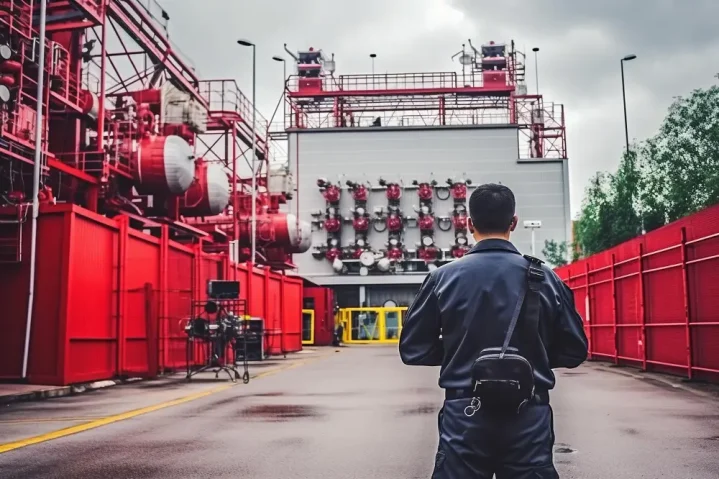
- Early detection gives operators valuable time to respond before an incident becomes more serious. A suitable fire detection system should reflect the hazards present in each plant area.
Best Practices for Improving Fire Safety in Oil and Gas Facilities
Conduct Regular Fire Risk Assessments
Safety officers and facility managers should identify potential ignition sources, flammable materials, vulnerable equipment, and emergency access limitations. Assessments should be updated when processes, equipment, or site layouts change.
Inspect and Maintain Fire Protection Equipment
Fire alarms, detectors, fire pumps, hydrants, suppression systems, and emergency shutdown arrangements should be inspected and tested according to applicable standards and manufacturer guidance.
Defects should be recorded and corrected promptly. Maintenance activities should also account for the risks created when a protection system is temporarily unavailable.
Train Employees and Conduct Emergency Drills
Workers should understand alarm signals, evacuation procedures, emergency contacts, and assembly points. Specialised teams need suitable training for their assigned responsibilities.
Drills can help identify weaknesses in communication, evacuation routes, and emergency coordination before a real incident occurs.
Follow Applicable Safety Standards
Facilities in India should identify and comply with the legal and technical requirements applicable to their operations. Depending on the facility, these may include requirements associated with the Petroleum and Explosives Safety Organisation (PESO), the Oil Industry Safety Directorate (OISD), applicable National Building Code provisions, relevant BIS standards, and state fire safety regulations.
Requirements vary by installation and activity. Businesses should consult qualified professionals and the relevant authorities to confirm which rules apply to their site.
Develop a Clear Emergency Response Plan
An emergency response plan should define responsibilities, alarm procedures, evacuation routes, emergency shutdown actions, and coordination with external responders.
Facilities should also consider credible scenarios such as gas leaks, tank fires, equipment fires, and incidents that affect multiple operating areas.
Why Fire Safety Exhibitions Matter for the Oil and Gas Industry
Fire safety technology continues to evolve. Industrial operators need to stay informed about developments in detection, suppression, access control, emergency communication, and integrated safety management.
Industry exhibitions offer an opportunity to explore new technologies, meet equipment manufacturers, compare solutions, and discuss practical challenges with industry experts. They can also help safety professionals understand emerging trends and identify potential suppliers.
In India, the Fire & Security India Expo 2027 offers a relevant platform for professionals interested in fire safety, industrial protection, and security technologies. Visitors and exhibitors can use such industry events to explore innovations and build professional connections.
For oil and gas companies, participation in a fire and security exhibition can support technology evaluation and knowledge sharing. However, selecting equipment should always involve technical assessments, compatibility checks, and verification of applicable certifications.
Professionals interested in participating can visit the official FSIE website at https://fsie.in/ for event information, exhibitor details, and registration updates.
Frequently Asked Questions (FAQs)
Why is fire protection important in oil and gas facilities?
Fire protection helps protect workers, equipment, and the environment from fires and explosions. It also reduces the risk of production shutdowns and supports compliance with applicable safety requirements.
Which fire protection systems are used in oil and gas plants?
Common systems include fire detection systems, fire alarms, fire suppression systems, fire hydrant systems, and passive fire protection. Depending on the hazards, facilities may also require foam systems, water mist systems, and specialised gas detection equipment.
How can oil and gas companies prevent industrial fires?
Companies can reduce fire risks through regular risk assessments, leak detection, equipment maintenance, ignition control, employee training, and effective emergency response planning. Suitable fire protection systems provide an additional layer of safety.
What is the role of safety officers in fire prevention?
Safety officers help identify hazards, conduct inspections, organise training, review emergency procedures, and monitor compliance with applicable safety requirements. They also help ensure that employees understand their responsibilities during emergencies.
Where can industry professionals explore fire and security technologies in India?
Industry professionals can attend relevant fire and security exhibitions to discover new products, connect with manufacturers, and learn about emerging technologies. The Fire & Security India Expo is one platform to explore developments in this sector.
Fire protection is essential in oil and gas facilities because the consequences of a fire can extend far beyond equipment damage. Fires and explosions can threaten human life, interrupt production, cause environmental harm, and create significant financial losses.
A strong fire safety strategy combines prevention, early detection, effective suppression, passive protection, employee training, and regular maintenance. Security systems and emergency response planning can further strengthen overall site safety.
For oil and gas companies in India, investing in suitable fire protection technology and following applicable safety requirements are important steps towards safer and more reliable operations.
Industry events such as the Fire & Security India Expo 2027 also provide opportunities to explore new technologies and connect with professionals working to improve industrial fire safety. By prioritising prevention and preparedness, businesses can build safer workplaces and protect critical energy infrastructure.