
Retrofitting Old Buildings with Modern Fire Safety Solutions
Historic structures and older buildings give cities their unique character. They remind us of cultural heritage, architectural styles, and community history. However, these structures often fall short when it comes to modern fire safety standards. Retrofitting old buildings with updated fire safety solutions has become essential—not only to protect lives but also to preserve these structures for future generations.
In this article, we will explore why fire safety retrofitting matters, the challenges faced during upgrades, the latest technologies being used, and practical approaches to integrating fire protection systems into older buildings.
Why Fire Safety Retrofitting Is Important
Many buildings constructed decades ago were designed before today’s fire safety codes were in place. These structures may lack essential systems such as:
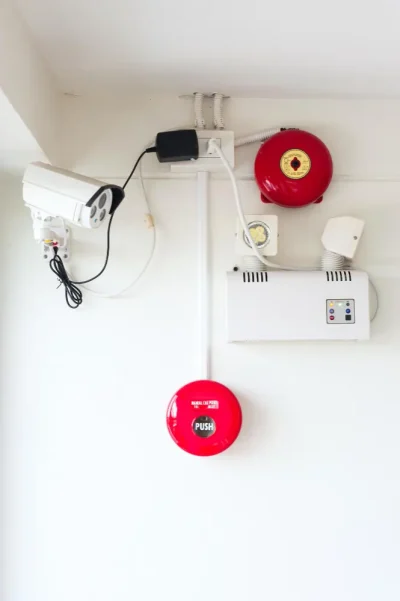
- Fire alarms and detection devices
- Automatic sprinkler systems
- Fire-rated doors and partitions
- Emergency lighting and exit signage
Because of this, they pose higher risks during fire emergencies. Upgrading older buildings helps in:
- Protecting Occupants – Modern fire detection ensures early alerts, giving people more time to escape safely.
- Safeguarding Property – Suppression systems minimize structural damage and reduce recovery costs after a fire.
- Compliance with Law – Local regulations often mandate retrofitting for commercial, institutional, and residential complexes.
- Preserving Heritage – Fire damage to heritage buildings is often irreversible. Proper fire safety solutions ensure cultural preservation.
Common Challenges in Retrofitting Old Buildings
Retrofitting is not as straightforward as installing systems in new construction. Some of the key challenges include:
- Structural Limitations: Many older buildings were not designed to house modern systems like sprinklers or smoke detectors. Hidden voids, thick walls, or fragile materials can complicate installations.
- Heritage Preservation: In historical landmarks, visible alterations to interiors or facades may not be allowed. Fire protection must blend seamlessly without disturbing original architecture.
- Budget Constraints: Retrofitting often costs more than installing systems in new projects. Owners must balance safety, compliance, and affordability.
- Utility Upgrades: Older electrical wiring may not support new fire alarm systems or emergency lighting, requiring additional upgrades.
Understanding these challenges helps engineers and building owners create tailored fire safety plans.
Modern Fire Safety Solutions for Retrofitting
Thanks to advancements in fire protection technology, it is now possible to retrofit old buildings without excessive disruption. Let’s look at some effective solutions.
1. Fire Detection and Alarm Systems
- Wireless fire alarms are ideal for retrofits, as they reduce the need for extensive wiring.
- Smart detectors can identify smoke, heat, or gas and send real-time alerts to building management systems.
- Integration with mobile notification systems ensures occupants are warned instantly, even when they are off-site.
2. Fire Suppression Systems
- Sprinkler retrofits can now use flexible piping systems, which are easier to install in tight spaces.
- Water mist systems are suitable for heritage structures since they use less water, minimizing potential damage to artwork, wood, or fabrics.
- Clean agent suppression (such as FM-200 or Novec 1230) is highly effective in protecting sensitive areas like museums or libraries.
3. Passive Fire Protection
- Fire-resistant coatings can be applied to structural elements without altering appearance.
- Compartmentation upgrades like fire-rated walls, ceilings, and doors help slow down fire spread.
- Retrofitted fire doors with self-closing mechanisms improve evacuation safety.
4. Emergency Evacuation Enhancements
- LED exit signage and photoluminescent markings guide occupants through smoke-filled environments.
- Voice evacuation systems provide clear instructions instead of just alarms.
- Fire lifts and accessible evacuation routes ensure safe exit for people with disabilities.
Steps to Retrofit an Old Building with Fire Safety Systems
A systematic approach is crucial for retrofitting projects.
1. Fire Safety Audit
- Conduct a professional audit to identify risks, existing safety gaps, and compliance requirements.
2. Customized Planning
- Develop a retrofit plan that balances safety standards, architectural preservation, and cost-effectiveness.
3. Technology Selection
- Choose fire safety systems suited for the building’s structure. For example, wireless alarms instead of wired systems in older walls.
4. Installation and Testing
- Use certified professionals for installation. Testing ensures that all devices and systems function correctly.
5. Training and Maintenance
- Occupants and staff should be trained in fire safety protocols. Regular maintenance checks guarantee long-term reliability.
Also read: The Difference Between Smoke Alarms and Fire Alarms
Balancing Fire Safety and Heritage Preservation
One of the biggest concerns while retrofitting old buildings is preserving their aesthetic and historical value. Solutions like concealed detectors, water mist systems, and transparent fire barriers are increasingly used in heritage sites worldwide. Collaboration between architects, conservationists, and fire safety engineers ensures that safety upgrades do not compromise authenticity.
Case Examples from Around the World
- Notre Dame Cathedral, Paris – After the devastating fire in 2019, engineers focused on upgrading fire detection systems with advanced sensors while respecting the historical design.
- Old Residential Complexes in India – Many retrofits involve installing wireless alarms and sprinkler systems in multi-story apartments that were built decades ago without safety measures.
- Heritage Hotels – Luxury hotels operating in historic palaces are integrating fire suppression systems with minimal visible alterations to protect guests and property.
These examples highlight that retrofitting is possible—even in the most challenging structures.
Future of Fire Safety Retrofitting
As cities grow, the demand for safe, sustainable, and resilient buildings increases. Emerging technologies will continue to shape fire safety retrofits, including:
- AI-powered fire detection that predicts fire risks based on heat patterns and occupancy data.
- IoT-enabled monitoring systems for real-time tracking of fire safety equipment health.
- Green fire protection solutions that use eco-friendly suppression agents.
These innovations ensure that retrofitting will become more efficient, less invasive, and more cost-effective in the coming years.
Conclusion
Retrofitting old buildings with modern fire safety solutions is not just a matter of compliance—it is a moral responsibility. Protecting lives, preserving heritage, and ensuring business continuity depend on how effectively we adapt these structures to modern safety needs.
By combining advanced fire detection, suppression, passive protection, and evacuation systems, older buildings can achieve the same level of fire safety as new constructions. The key lies in careful planning, choosing the right technologies, and maintaining a balance between safety and architectural integrity.
As urban spaces continue to evolve, upgrading fire safety in older structures will play a crucial role in building safer, smarter, and more resilient cities.