How Water Mist Systems Support Eco-Friendly Fire Protection
Fire safety is no longer only about controlling flames. Today, it is also about protecting the environment, reducing water waste, and improving overall building efficiency. This shift is especially important in India, where rapid urban growth and stricter safety regulations are changing how buildings are designed and managed.
Among modern fire suppression technologies, water mist systems are gaining attention as a sustainable and efficient solution. They are becoming a preferred choice for safety officers and facility managers who want strong fire protection without harming the environment.
This article explains how water mist systems work, why they are eco-friendly, and how they compare with traditional fire suppression systems.
What Are Water Mist Systems?
Water mist systems are advanced fire suppression systems that use very fine water droplets to control or extinguish fires. Unlike traditional fire sprinkler systems that release large volumes of water, these systems use high-pressure technology to create a mist.
The droplets are extremely small. This allows them to:
- Absorb heat quickly
- Reduce oxygen around the fire
- Control fire spread efficiently
Because of this, water mist systems can control fire faster while using less water.
How Water Mist Systems Work
The working principle of water mist systems is simple but effective. When a fire detection system or smoke detectors identify a fire, the system activates automatically.
The process involves three key actions:
Cooling Effect
The fine mist absorbs heat from the fire, reducing the temperature quickly.
Oxygen Reduction
As water evaporates, it displaces oxygen around the fire, slowing combustion.
Radiation Blocking
The mist forms a barrier that prevents heat from spreading to nearby areas.
Compared to automatic sprinkler systems, water mist systems act faster and more efficiently.
Why Water Mist Systems Are Eco-Friendly
1. Low Water Consumption
One of the biggest advantages is reduced water usage. Traditional fire sprinkler systems or fire hydrant systems require large amounts of water. In contrast, water mist systems use up to 80–90% less water.
This is important in India, where water conservation is a growing concern.
2. No Harmful Chemicals
Many fire suppression systems rely on chemical agents. These can harm the environment and sometimes pose risks to human health.
Water mist systems use only clean water. There are no toxic residues, making them safe for:
- People
- Equipment
- Environment
3. Reduced Water Damage
Large water discharge can damage property, electronics, and infrastructure. Water mist systems minimize this risk.
This makes them ideal for:
- Data centers
- Museums
- Offices
- Hospitals
4. Energy Efficiency
Because they use less water and operate efficiently, these systems also reduce energy consumption in pumping and storage.
Also Read: How FSIE Mumbai Connects Fire Exhibitors with Decision Makers
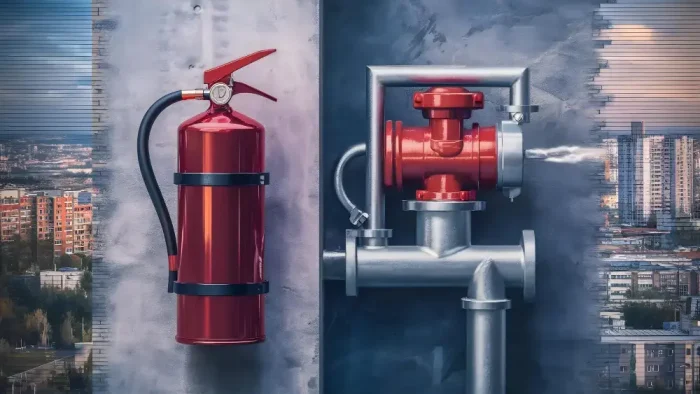
Fire Sprinkler Systems
Fire sprinkler systems are widely used in commercial buildings. They release large amounts of water once activated.
Limitations:
- High water usage
- Potential water damage
- Slower response compared to mist systems
Fire Hydrant System
Fire hydrant systems are essential for large-scale firefighting. However, they depend heavily on manual operation.
Limitations:
- Requires trained personnel
- High water consumption
- Not suitable for immediate automatic response
Fire Suppression Systems (Chemical-Based)
These systems are used in specialized environments.
Limitations:
- Use of chemicals
- Environmental concerns
- Higher maintenance cost
Water Mist Systems
Water mist systems offer a balanced solution.
Advantages:
- Minimal water usage
- No chemicals
- Fast response
- Lower environmental impact
Role in Modern Fire Safety Planning
In India, building safety regulations are becoming stricter. Safety officers and facility managers are now expected to implement both active and passive fire protection measures.
Water mist systems support both approaches:
Active Protection
They work alongside:
- Fire alarms
- Fire detection systems
- Smoke detectors
This ensures quick response during fire emergencies.
Passive Protection Support
While passive fire protection includes fire rated doors and structural safety, water mist systems help prevent fire spread, supporting the overall safety strategy.
Applications of Water Mist Systems
Water mist systems are versatile and can be used across multiple sectors:
Commercial Buildings
Offices and malls benefit from reduced water damage and quick fire control.
Industrial Facilities
Factories with sensitive equipment prefer mist systems to avoid damage.
Healthcare Facilities
Hospitals require safe, chemical-free fire protection.
Hospitality Sector
Hotels and resorts use water mist systems to ensure guest safety without disruption.
Data Centers
These systems protect servers and electronics without causing damage.
Growing Adoption in India
Events like Fire & Security India Expo 2026 and other fire safety exhibitions in Mumbai showcase such innovations. These platforms help industry professionals understand the benefits of eco-friendly solutions like water mist systems.
At major fire safety events and security expos, manufacturers demonstrate how these systems integrate with:
- Access control systems
- Biometric security
- Smart building solutions
Importance for Facility Managers and Safety Officers
Facility managers play a critical role in selecting the right fire protection systems. Their focus is not only on compliance but also on long-term sustainability.
Water mist systems help them achieve:
- Lower operational costs
- Reduced environmental impact
- Better asset protection
Safety officers also prefer these systems because they enhance safety without introducing new risks.
Integration with Smart Security Systems
Modern buildings rely on integrated systems. Water mist systems can be connected with:
- Fire detection system
- Security systems
- Access control systems
This ensures a coordinated response during emergencies.
For example, when smoke detectors detect fire:
- The alarm triggers
- The water mist system activates
- Access control systems unlock emergency exits
Such integration improves evacuation and response time.
Challenges and Considerations
While water mist systems offer many advantages, there are some considerations:
Initial Cost
Installation can be higher compared to traditional systems. However, long-term savings often balance this cost.
Design Requirements
Proper design and engineering are essential for effective performance.
Maintenance
Regular inspection is needed to ensure reliability.
Despite these factors, the benefits outweigh the challenges for most modern applications.
Future of Eco-Friendly Fire Protection
The future of fire safety is moving toward sustainability. Governments and organizations are focusing on reducing environmental impact.
Water mist systems are expected to play a key role in:
- Green building certifications
- Smart city projects
- Sustainable infrastructure
With increasing awareness, more industries in India are adopting eco-friendly fire suppression systems.
Conclusion
Water mist systems are transforming the way fire protection is approached. They provide efficient fire control while supporting environmental sustainability.
Compared to traditional fire sprinkler systems and fire hydrant systems, they offer:
- Lower water usage
- Minimal damage
- Safer operation
For safety officers and facility managers, these systems are a smart investment. They align with modern safety standards and environmental goals.
As India continues to develop and host major fire safety exhibitions like Fire & Security India Expo, the demand for advanced solutions will only grow. Water mist systems are set to become a key part of this evolution.
In a world where safety and sustainability must go hand in hand, water mist systems offer the perfect balance.