
How Regular Fire Safety Training Saves Lives
Fire emergencies don’t wait for anyone — and when they happen, every second truly counts. That’s exactly why regular fire safety training is one of the most powerful life-saving tools for communities, workplaces, residential buildings, and large facilities across India.
Whether you’re a resident in a high-rise apartment, a working professional, a facility manager, or part of an environmental team, understanding fire behaviour and learning how to respond can drastically reduce injuries, property loss, and fatalities.
In India, where urban infrastructures are becoming denser every year, fire incidents are more common than we think. But the great news? Most of these incidents can be prevented or their impact significantly reduced — simply through awareness, preparation, and regular practice.
Let’s dive into why fire safety training is so important, how it works, and how it saves lives every single day.
1. Why Fire Safety Training Matters More Than Ever
Modern buildings in India are packed with advanced systems like fire alarms, smoke detectors, fire detection systems, fire sprinkler systems, and fire suppression systems. But even the best technology is effective only when people know how to use it and respond to it.
That’s where training becomes the real game-changer.
Regular fire safety training:
- Builds confidence during high-stress situations
- Helps individuals understand evacuation routes
- Ensures people use fire equipment correctly
- Minimises chaos and confusion
- Reduces response time (which directly saves lives)
Fire doesn’t give warnings — but training prepares you to act instantly.
Technology detects the fire.
- Run in the wrong direction
- Try to use elevators
- Open doors that worsen the fire
- React emotionally instead of logically
- Staying low to avoid smoke
- Following illuminated escape signs
- Using stairs, not lifts
- Helping vulnerable people evacuate
- Checking door temperature before opening
3. Understanding the Building’s Fire Safety Systems
Training empowers people to trust and use the fire systems installed around them — something many building occupants don’t even notice.
Fire Alarms
Most people ignore alarms thinking they are false alerts. Training helps them understand:
- The sound pattern of alarms
- What actions to take once an alarm rings
- Why every second matters
Smoke Detectors
Smoke is more dangerous than flames. Training teaches the importance of early detection and why smoke detectors must always remain functional.
Fire Detection Systems
These systems help identify heat, smoke, or flame activity. Trained individuals know how to coordinate evacuation based on detection zones.
Fire Sprinkler Systems
Sprinklers control fires in their early stages — but many still believe “sprinklers cause flooding”. Training removes these myths and shows how sprinklers save entire buildings.
Fire Suppression Systems
From water-based systems to gas-based suppression technologies, training explains:
- How suppression systems activate
- Why no one should interfere when they operate
- How they protect valuable equipment
When people understand their surroundings, panic reduces and safety increases.
4. The Critical Role of Safety Officers and Facility Managers
In India, safety officers and facility managers are the backbone of fire and building safety. Training ensures they are always prepared to:
- Conduct safety drills
- Maintain equipment and fire systems
- Identify fire risks
- Support occupants during evacuation
- Coordinate with fire brigades
Their leadership during emergencies saves countless lives.
Regular training also keeps them updated with the National Building Code (NBC), state fire norms, and evolving technology — ensuring compliance and readiness.
5. How Regular Training Reduces Fire Risks
Fire safety isn’t a one-time activity. It requires practice, repetition, and reinforcement — just like any other life skill.
Training helps in five major ways:
1. Preventing Fires Before They Start
People learn:
- How to spot electrical hazards
- Why overloaded sockets are dangerous
- Safe storage practices for flammable items
- Importance of housekeeping to prevent ignition sources
2. Faster Evacuation
Well-trained occupants:
- Know exit routes
- Follow instructions
- Move calmly
- Avoid stampedes
This reduces injuries dramatically.
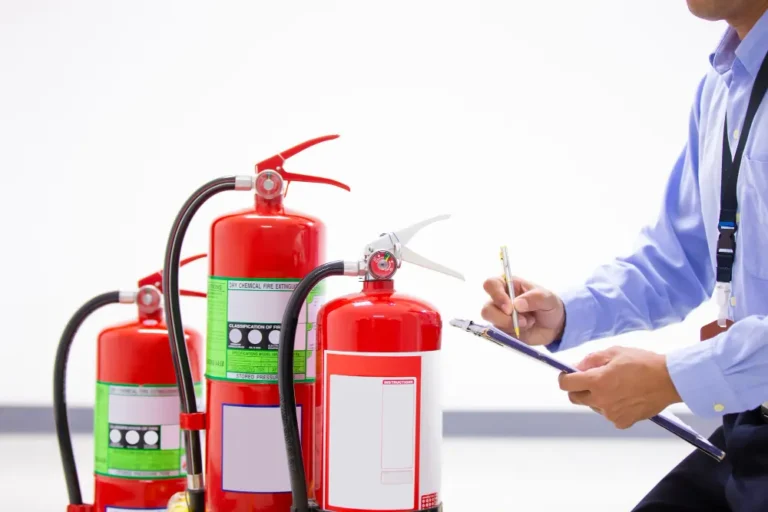
3. Effective Use of Fire Extinguishers
Most people don’t know how to use extinguishers. Training introduces the PASS technique:
Pull – Aim – Squeeze – Sweep
A trained person can stop a small fire before it becomes deadly.
4. Coordinated Response
Teams understand their roles:
- Evacuation leaders
- Floor wardens
- Assembly area coordinators
When everyone’s role is clear, confusion disappears.
5. Reduced Fire Damage
Early action supported by working fire sprinkler systems, alarms, and trained individuals reduces:
- Property loss
- Downtime
- Business interruption
- Environmental impact
6. Why India Needs Widespread Fire Safety Training
With rapid urbanisation, India faces challenges like:
- High-rise living
- Dense commercial clusters
- Ageing electrical systems
- Crowded public spaces
- Growing industrial activity
Training empowers citizens of all ages — students, employees, residents, security staff, and housekeeping teams — to respond without fear.
Even children and senior citizens benefit deeply from awareness drills.
7. The Role of Organisations Like FSIE
Institutions like FSIE play a powerful role in promoting a safer India through events, training programs, awareness campaigns, and industry updates.
8. Final Thoughts
- Build stronger awareness
- Save lives
- Protect families
- Support communities
- Strengthen India’s safety culture