
Fire Safety System Selection Guide for New Buildings
Planning a new building is an exciting phase, but it also comes with serious responsibilities. One of the most critical decisions during this stage is selecting the right fire safety system. A well-designed fire safety strategy not only protects lives and property but also ensures long-term compliance with Indian fire safety regulations.
This guide is created for safety officers, facility managers, builders, and developers who want a clear and practical understanding of how to choose the right fire safety systems for new buildings—without confusion or unnecessary technical jargon.
Why Fire Safety Planning Must Start Early
Fire safety should never be an afterthought. When systems are planned during the design stage, they integrate smoothly with the building layout, electrical planning, and structural elements. Early planning also helps avoid costly retrofits and compliance issues later.
New buildings today are expected to meet higher safety benchmarks, especially in commercial, residential, and mixed-use developments. Selecting appropriate fire detection, suppression, and protection systems at the start ensures better performance during emergencies and faster approvals from local fire authorities.
A complete fire safety solution usually combines detection, suppression, and protection measures. Each system plays a specific role, and together they create a layered safety approach.
Fire Detection and Alarm Systems
Fire detection systems are the first line of defense. Their job is to identify fire at the earliest stage and alert occupants so evacuation can begin immediately.
Commonly used fire detection components include:
- Smoke detectors for early warning
- Heat detectors for high-temperature areas
- Manual call points for emergency alerts
- Fire alarm panels that coordinate alerts
Choosing the right fire alarm system depends on building size, occupancy type, and usage. For large commercial buildings, addressable fire alarm systems are often preferred due to their accuracy and monitoring capabilities.
Also read: Easy Upgrades to Improve Fire Safety in Your Building.
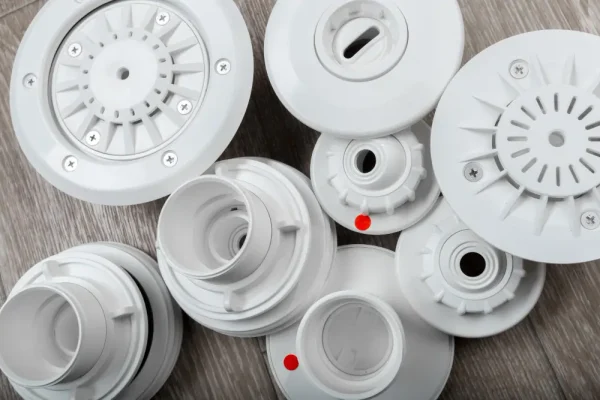
Fire Suppression Systems: Controlling the Fire
While detection alerts people, fire suppression systems work to control or extinguish the fire itself. These systems are crucial for limiting damage and buying time for evacuation.
Fire Sprinkler Systems
Automatic fire sprinkler systems are widely used because they activate quickly and target the fire source directly. They are suitable for offices, malls, hotels, and residential buildings.
Benefits include:
- Fast fire control
- Reduced smoke spread
- Lower structural damage
Fire Hydrant Systems
A fire hydrant system is essential for larger buildings and industrial facilities. It allows firefighters to access water quickly and handle high-intensity fires effectively.
Water Mist and Special Suppression Systems
For data centers, electrical rooms, or sensitive equipment areas, water mist systems or clean agent fire suppression systems are often preferred. These systems minimize water damage while maintaining high fire control efficiency.
Passive Fire Protection: Containing the Fire
Passive fire protection does not fight fire directly but plays a vital role in slowing its spread. These systems are built into the structure of the building.
Key elements include:
- Fire rated doors
- Fire-resistant walls and partitions
- Proper compartmentation
- Fire stopping around ducts and cables
Passive fire protection helps maintain safe evacuation routes and prevents fire from spreading across floors or zones.
Active Fire Protection: Responding to Emergencies
Active fire protection systems require action—either automatic or manual—to work during a fire incident.
Examples include:
- Fire alarm and detection systems
- Automatic sprinkler systems
- Fire extinguishers
- Smoke management systems
A balanced combination of passive and active fire protection ensures maximum safety and regulatory compliance.
Integrating Fire Safety with Security Systems
Modern buildings benefit greatly from integrating fire safety with security systems. When fire alarms are connected with access control systems, doors can automatically unlock during emergencies, enabling faster evacuation.
Biometric security systems and access control solutions should always be planned with fire safety in mind. During a fire event, safety must override security restrictions to prevent occupants from getting trapped.
Factors to Consider While Selecting Fire Safety Systems
Choosing the right fire safety system is not about installing everything available. It’s about selecting what fits your building’s needs.
Important factors include:
- Building type and occupancy
- Floor area and height
- Local fire safety norms and NBC guidelines
- Budget and long-term maintenance
- Ease of system monitoring and testing
Consulting experienced fire safety professionals during the planning stage can help avoid mistakes and ensure smoother approvals.
Role of Safety Officers and Facility Managers
Safety officers and facility managers play a crucial role even before the building becomes operational. Their inputs help align fire safety systems with daily operations, maintenance schedules, and emergency response planning.
Regular inspections, mock drills, and system testing ensure that installed fire safety systems remain functional throughout the building’s life cycle.
Compliance and Fire Safety Regulations in India
New buildings in India must follow fire safety guidelines laid down by local fire departments and national standards. Compliance is not only a legal requirement but also a moral responsibility toward occupants.
Fire safety audits, proper documentation, and timely approvals help prevent project delays and legal complications.
Staying Updated with Industry Trends and Innovations
Fire safety technology is constantly evolving. New detection methods, smarter control panels, and eco-friendly suppression systems are reshaping the industry.
One of the best ways to stay informed is by attending industry exhibitions and events such as Fire & Security India Expo and Fire & Security India Expo 2026. These platforms showcase the latest innovations in fire detection, fire suppression systems, security systems, and integrated safety solutions.
Events like Fire Safety Exhibition in Mumbai and Fire Expo 2026 also provide valuable opportunities for networking with manufacturers, consultants, and safety professionals.
Final Thoughts
Selecting the right fire safety system for a new building is about thoughtful planning, not shortcuts. By combining reliable fire detection systems, effective fire suppression solutions, and strong passive fire protection measures, building owners can create safer environments for everyone.
When fire safety is integrated with smart security systems and maintained by trained safety officers and facility managers, buildings become not only compliant but genuinely safe. As construction standards rise and technology advances, staying informed through industry events and exhibitions will continue to be a smart move for anyone involved in building safety.
A well-protected building is not just a legal requirement—it is a commitment to life, safety, and responsible development.