
Fire Safety Standards for Petrochemical Plants in India
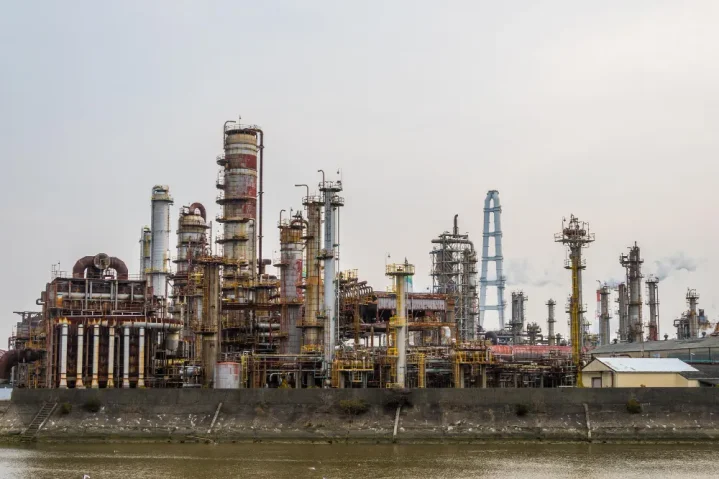
Petrochemical plants play a vital role in India’s industrial growth. These facilities produce and process chemicals, plastics, synthetic fibres, fuels, and other essential materials. However, they also handle flammable gases, combustible liquids, and hazardous chemicals. A small leak, electrical fault, or equipment failure can lead to a major fire or explosion.
Fire safety standards for petrochemical plants in India help reduce these risks through proper plant design, fire detection, firefighting equipment, emergency planning, and regular inspections. Compliance also protects workers, nearby communities, equipment, and the environment.
For plant operators, facility managers, and safety officers, understanding the applicable standards is essential. This guide explains the major Indian regulations, important fire protection systems, and practical steps for improving industrial fire safety.
Why Is Fire Safety Important in Petrochemical Plants?
Petrochemical facilities often operate at high temperatures and pressures. They may store large quantities of hydrocarbons and other combustible materials. Several activities can create ignition risks, including welding, maintenance, chemical transfer, and equipment operation.
The main fire hazards include:
- Flammable gas leaks: Hydrocarbons can form ignitable mixtures when released into the atmosphere.
- Chemical storage incidents: Incompatible chemicals may react dangerously, while some materials can intensify a fire.
- Equipment overheating: Pumps, compressors, furnaces, and electrical equipment can become ignition sources.
- Static electricity: Improper grounding and bonding can create sparks during liquid transfer.
- Pipeline and tank failures: Leaks can cause pool fires, flash fires, or other serious incidents.
A well-designed fire protection strategy combines prevention, early detection, effective firefighting, and safe evacuation. It should also account for the possibility that a fire may spread beyond the equipment where it starts.
Also Read: The Future of Fire Detection: AI-Powered Smoke and Heat Sensors
1. Key Fire Safety Standards for Petrochemical Plants in India
India has several regulations, technical standards, and building safety provisions relevant to industrial fire protection. The exact requirements depend on the facility, materials handled, plant configuration, and applicable approvals.
OISD-STD-116: Fire Protection Facilities
The Oil Industry Safety Directorate (OISD), under the Ministry of Petroleum and Natural Gas, develops safety standards for the petroleum industry.
OISD-STD-116 is a key reference for fire protection facilities at petroleum refineries, petrochemical complexes, and oil and gas processing plants. The current-edition listing identifies June 2025 as the edition in vogue.
The standard addresses fire protection requirements for relevant installations. Plant teams should consult its applicable provisions when planning firewater infrastructure, firefighting facilities, and protection for process and storage areas.
Official reference: OISD Standards.
Petroleum Rules, 2002
The Petroleum Rules, 2002, administered by the Petroleum and Explosives Safety Organisation (PESO), establish requirements for the handling, storage, and licensing of petroleum in applicable situations.
OISD-STD-116 is among the OISD standards listed as incorporated into the Petroleum Rules. Facilities must identify the provisions that apply to their operations and comply with the relevant licensing and safety conditions.
Official reference: PESO — Petroleum Rules, 2002.
National Building Code of India 2016
The National Building Code of India 2016 (NBC 2016), published by the Bureau of Indian Standards (BIS), provides guidance on building safety, fire prevention, evacuation, and fire protection.
Part 4 covers fire and life safety, including fire-resistant construction, escape routes, emergency lighting, fire protection installations, and maintenance.
For petrochemical plants, NBC provisions should be considered alongside industry-specific standards and applicable local building and fire safety requirements.
Official reference: BIS — National Building Code.
Important: These references do not replace a site-specific compliance review. Plant owners should confirm the latest applicable editions, statutory requirements, licence conditions, and local fire authority requirements before approving a fire protection design.
Also Read: The Role of Passive Fire Protection in High-Rise Buildings
2. Fire Risk Assessment and Safe Plant Layout
Fire safety begins before a plant starts operating. A detailed risk assessment helps identify possible fire scenarios and determine the protection required for each area.
The assessment should cover process units, storage tanks, loading bays, chemical warehouses, electrical substations, compressor areas, and utility buildings.
Safety engineers should evaluate:
- The type and quantity of flammable materials present.
- Potential leak points and ignition sources.
- Separation distances between hazardous equipment.
- Emergency vehicle access and evacuation routes.
- Firewater availability and firefighting coverage.
- Possible escalation from one process unit to another.
Plant layout is particularly important. Adequate spacing, suitable drainage, access roads, and appropriate equipment positioning can help limit the spread of fire.
For example, a hydrocarbon leak near a pump may create a pool fire if the liquid reaches an ignition source. Suitable drainage, leak detection, emergency isolation, and firefighting facilities can help reduce the consequences.
OISD-STD-118, which addresses layouts for oil and gas installations, is another important reference for relevant facilities.
3. Fire Detection Systems and Early Warning
Early detection gives operators valuable time to respond before an incident becomes more serious. A suitable fire detection system should reflect the hazards present in each plant area.
Common detection technologies include:
- Smoke detectors: Suitable for selected enclosed areas, offices, electrical rooms, and other locations where smoke detection is appropriate.
- Heat detectors: Useful in areas where temperature rise is a reliable indicator of fire.
- Flame detectors: Designed to detect specific flame signatures in suitable industrial environments.
- Gas detectors: Help identify hazardous or flammable gas concentrations before ignition occurs.
The choice of detector depends on the process, ventilation, ambient conditions, and likely fire scenarios. Smoke detectors alone may not provide adequate protection in open process areas.
Detection devices should connect to suitable alarm and control arrangements. Depending on the design, these may activate audible and visual fire alarms, alert the control room, or initiate approved emergency actions.
Regular testing is essential. A detector that is damaged, poorly positioned, or disconnected may fail when it is needed most.
Automatic sprinkler systems help control fires without waiting for someone to operate the equipment manually. Individual sprinkler heads typically activate when exposed to a specified temperature.
4. Fire Suppression Systems for Petrochemical Facilities
Fire suppression systems help control or extinguish fires and protect people and equipment. The appropriate solution depends on the fuel, fire scenario, equipment design, and applicable standards.
Fire Hydrant Systems
A fire hydrant system provides water through a network of pipes, hydrants, valves, pumps, and associated equipment. Firefighters can connect hoses to the system and direct water towards the affected area.
The design should consider the required water demand, pressure, reliability, accessibility, and the possibility of simultaneous firefighting operations.
Fire hydrants must remain accessible. Plant teams should inspect valves, hose connections, pumps, and other components regularly.
Automatic Sprinkler Systems
Automatic sprinkler systems are useful in suitable buildings and protected areas. Heat activates individual sprinkler heads, releasing water where protection is required.
However, ordinary sprinkler systems are not suitable for every petrochemical hazard. Flammable liquid fires, gas fires, and specialised process risks may require other protection methods.
The system must be selected and designed according to the hazard and applicable engineering standards.
Foam-Based Fire Protection
Foam systems are commonly considered for suitable flammable-liquid fire scenarios, including certain hydrocarbon storage and handling applications.
Foam can help suppress vapours and control burning liquid surfaces. The type of foam, application method, compatibility, and environmental requirements must be evaluated carefully.
Water Mist Systems
Water mist systems release fine water droplets to control heat and support fire suppression in applications where the technology is suitable.
They should not be treated as a universal replacement for hydrants, sprinklers, foam systems, or other engineered protection. Their use requires an assessment of the specific hazard and system performance.
5. Passive Fire Protection and Fire-Rated Doors
Active systems detect or respond to a fire. Passive fire protection helps slow its spread and preserve the integrity of important structures.
Important measures include:
- Fire-resistant walls and suitable compartmentation.
- Fire-rated doors and protected openings.
- Fireproofing of selected structural steel supports.
- Protection of critical equipment and escape routes.
- Suitable sealing of cable and pipe penetrations through fire-rated barriers.
In petrochemical facilities, passive fire protection may help protect structural supports, critical equipment, and emergency access routes from heat exposure.
Fire-rated doors must have suitable ratings and be installed correctly. Doors should not be held open in ways that defeat their protective purpose.
Passive protection should be inspected after maintenance, equipment modifications, and any incident that may have damaged protective materials.
6. Electrical Safety and Hazardous Area Protection
Electrical equipment can become an ignition source where flammable gases or vapours are present. Petrochemical plants must identify hazardous areas and select suitable electrical equipment for those conditions.
Important controls include:
- Correct hazardous-area classification.
- Suitable certified electrical equipment.
- Proper grounding and bonding.
- Inspection of cables, junction boxes, and electrical connections.
- Control of static electricity during transfer operations.
- Safe isolation before maintenance work.
OISD-STD-113 addresses area classification for electrical installations at hydrocarbon processing and handling facilities.
Plant operators should also control hot work through an effective permit-to-work system. Welding, cutting, and grinding must not begin until the required checks, isolation, gas testing, and fire watch arrangements are in place.
7. Emergency Planning, Training, and Evacuation
Even a well-protected plant needs a clear emergency response plan. Employees must understand what to do when an alarm sounds or a hazardous release occurs.
An effective emergency plan should define:
- Alarm signals and communication procedures.
- Emergency shutdown and isolation responsibilities.
- Evacuation routes and designated assembly points.
- Fire team duties and incident command arrangements.
- Coordination with external emergency services.
- Procedures for accounting for employees and contractors.
Safety officers should organise regular fire drills and scenario-based exercises. Training should cover the correct use of extinguishers, alarm reporting, evacuation, and safe emergency response.
Employees should never be expected to fight a fire that exceeds their training or available equipment. In a major hydrocarbon incident, evacuation and isolation may be safer than attempting direct firefighting.
8. Inspection, Maintenance, and Fire Safety Audits
Fire protection equipment must remain operational throughout the plant’s life. Installing equipment is only the first step; inspection and maintenance are equally important.
A practical maintenance programme should include:
- Testing fire alarms and detection devices at planned intervals.
- Checking fire pumps, hydrants, valves, and firewater availability.
- Inspecting suppression systems and associated controls.
- Examining fire extinguishers for condition and service status.
- Checking fire-rated doors and passive protection.
- Recording defects, assigning corrective actions, and verifying closure.
- Reviewing fire protection after process changes or plant expansion.
Inspection frequency should follow applicable standards, manufacturer instructions, and site risk assessments.
OISD also conducts safety audits covering areas such as plant layout, operating practices, maintenance, fire protection, and training. Regular internal reviews can help identify gaps before they contribute to an incident.
9. How Technology Can Improve Industrial Fire Safety
Modern technology can strengthen traditional fire protection measures when integrated into a well-designed safety system.
For example, connected detection systems can help control room operators identify alarm locations quickly. Integrated monitoring can provide visibility into the status of selected pumps, alarms, and suppression equipment.
Access control systems can also help manage entry into restricted process areas. Biometric security may be appropriate for selected locations, subject to site policy and applicable privacy requirements.
However, security systems should never interfere with emergency evacuation. Access-controlled doors and gates must support safe escape and emergency access.
Facility managers should evaluate new technologies based on reliability, compatibility, maintainability, and their contribution to reducing risk—not simply on the number of features they offer.
10. Why Industry Events Matter for Fire Safety Innovation
Industrial safety requirements continue to evolve as detection technology, suppression equipment, monitoring systems, and engineering practices improve.
Events such as the Fire & Security India Expo 2027 can provide opportunities for plant operators, safety officers, consultants, and procurement teams to explore relevant technologies and connect with solution providers.
The event can be relevant to professionals evaluating fire alarms, industrial fire detection, fire suppression systems, access control, and integrated safety solutions.
For businesses planning to attend, a Fire Safety Exhibition in Delhi can also offer an opportunity to compare technologies and discuss practical requirements with exhibitors.
Fire & Security India Expo 2027 (FSIE Delhi) is scheduled for12-14 August 2027 at Yashobhoomi, Dwarka, New Delhi. Industry professionals can use the event to explore developments in fire protection and security, while assessing which solutions suit their operational needs.
Frequently Asked Questions (FAQs)
1. Which standard is important for fire safety in petrochemical plants in India?
OISD-STD-116 is a key industry standard for fire protection facilities at petroleum refineries, petrochemical complexes, and oil and gas processing plants. Other applicable regulations, standards, licence conditions, and local requirements must also be considered.
2. Are fire hydrant systems mandatory in petrochemical plants?
Fire protection requirements depend on the applicable standards, plant design, hazards, and statutory conditions. Relevant installations must provide the fire protection facilities required by the rules and standards that apply to them.
3. Which fire detection system is best for a petrochemical plant?
There is no single best system for every location. Flame detectors, gas detectors, heat detectors, and smoke detectors serve different purposes. Selection should follow a site-specific hazard assessment and engineering design.
4. How often should fire safety equipment be inspected?
Inspection and testing schedules depend on the equipment, applicable standards, manufacturer recommendations, and site risk assessment. Plants should maintain documented schedules and promptly correct identified defects.
5. Where can industry professionals explore fire safety technologies in India?
Industry professionals can explore relevant technologies through specialist suppliers, technical forums, and industry events such as Fire & Security India Expo 2027 in New Delhi.
Fire safety in petrochemical plants requires more than firefighting equipment. It depends on effective plant design, compliance with applicable Indian standards, early hazard detection, suitable suppression systems, passive fire protection, trained employees, and reliable maintenance.
For plant managers and safety officers, the priority should be to identify credible fire scenarios and ensure that prevention, detection, containment, and emergency response measures work together.
By reviewing relevant OISD standards, meeting applicable statutory requirements, and investing in properly engineered protection systems, petrochemical facilities can reduce fire risks and strengthen operational safety.