
Fire Safety Solutions for Educational Campuses and Universities
Educational campuses are among the busiest environments in India. Every day, thousands of students, teachers, researchers, staff members, and visitors use classrooms, laboratories, libraries, hostels, auditoriums, and administrative buildings. With such large populations concentrated in one place, fire safety becomes a critical responsibility for educational institutions.
A minor electrical fault, laboratory accident, kitchen fire, or equipment malfunction can quickly escalate into a serious emergency if proper fire protection measures are not in place. This is why schools, colleges, universities, and training institutes must invest in comprehensive fire safety solutions that combine prevention, detection, suppression, and evacuation planning.
In this guide, we explore the most effective fire safety solutions for educational campuses and universities and explain how institutions can create safer learning environments for everyone.
Why Fire Safety Matters in Educational Institutions
Educational campuses often consist of multiple buildings serving different purposes. Each building presents unique fire risks.
For example:
- Science laboratories store chemicals and flammable materials.
- Hostels operate around the clock.
- Libraries contain large amounts of paper and combustible materials.
- Cafeterias and kitchens use gas and cooking equipment.
- Computer labs house expensive electronic equipment.
- Auditoriums accommodate large crowds during events.
Without a proper fire safety strategy, these environments can become vulnerable to fire-related incidents.
A strong fire protection system helps institutions:
- Protect students and staff
- Reduce property damage
- Ensure compliance with fire regulations
- Minimize disruption to academic activities
- Improve emergency preparedness
- Enhance campus safety standards
Building a Strong Fire Detection System
The first step in fire protection is early detection.
A modern fire detection system helps identify fire hazards before they become major emergencies. Early detection can significantly reduce damage and improve evacuation outcomes.
Educational campuses should install:
Smoke Detectors
Smoke detectors are essential in classrooms, hostels, libraries, administrative offices, and corridors. They can detect smoke particles at an early stage and trigger alarms immediately.
Heat Detectors
Heat detectors are ideal for kitchens, laboratories, and equipment rooms where smoke may be present during normal operations.
Intelligent Fire Alarm Panels
Modern fire alarms connect multiple detectors across campus and provide centralized monitoring. Security personnel can identify the exact location of an emergency and respond quickly.
When integrated properly, fire alarms help save valuable time during critical situations.
Fire Sprinkler Systems: A Proven Safety Solution
One of the most effective methods of controlling fires is the use of fire sprinkler systems.
Sprinklers automatically activate when they detect heat generated by a fire. By releasing water directly onto the affected area, they help control flames before firefighters arrive.
Benefits of fire sprinkler systems include:
- Rapid fire suppression
- Reduced property damage
- Improved occupant safety
- Lower fire spread risk
- Faster emergency response
Universities with large academic blocks, libraries, hostels, and research centers can benefit significantly from automatic sprinkler systems.
Many modern campuses also install automatic sprinkler systems in parking structures, conference halls, and storage facilities.
Also Read: The Role of Passive Fire Protection in High-Rise Buildings
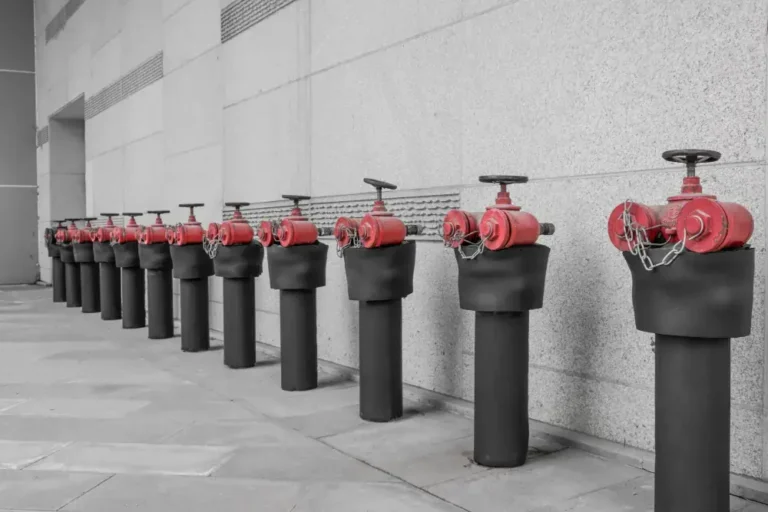
The Importance of Fire Hydrant Systems
Large educational campuses often cover several acres and contain multiple buildings.
In such cases, a fire hydrant system plays a crucial role in emergency response.
Fire hydrants provide a reliable water source for firefighters and emergency teams. They allow quick access to high-pressure water during firefighting operations.
A properly designed fire hydrant system should include:
- Hydrant valves
- Underground piping networks
- Water storage tanks
- Booster pumps
- Hose reels
Regular inspections and maintenance ensure that hydrants remain functional when needed most.
Advanced Fire Suppression Systems for Specialized Areas
Certain campus areas require protection beyond traditional water-based systems.
For example:
- Data centers
- Server rooms
- Research laboratories
- Electrical control rooms
- Archives and records storage areas
In these locations, traditional water discharge could damage sensitive equipment.
Modern fire suppression systems offer alternative solutions designed for high-value assets.
Water Mist Systems
Water mist systems use fine water droplets to suppress fires efficiently while minimizing water damage.
These systems are becoming increasingly popular in educational institutions because they:
- Use less water
- Control fire quickly
- Reduce equipment damage
- Improve occupant safety
They are especially suitable for libraries, archives, museums, and technology facilities within universities.
Passive Fire Protection Measures
While active systems detect and suppress fires, passive fire protection helps prevent fire from spreading.
Passive protection is often overlooked, but it is a vital component of campus safety.
Fire Rated Doors
Fire rated doors help contain smoke and flames within specific areas.
These doors create fire compartments that slow the spread of fire and provide occupants with more time to evacuate safely.
Fire-Resistant Walls and Partitions
Properly designed walls can prevent fire from moving between classrooms, laboratories, and office spaces.
Fire-Stopping Solutions
Cable penetrations, duct openings, and utility shafts should be sealed using approved fire-resistant materials.
These measures significantly improve overall building safety.
Access Control Systems and Campus Security Integration
Modern educational institutions increasingly combine fire safety and security management.
Access control systems can play an important role during emergencies.
For example:
- Emergency exits can unlock automatically during fire alarms.
- Occupancy data can help identify affected areas.
- Security teams can monitor evacuation routes.
- Emergency responders can access restricted zones quickly.
Many universities now integrate fire alarms with campus-wide security infrastructure to improve emergency coordination.
Biometric Security and Emergency Management
Large universities often use biometric security systems to manage access to hostels, laboratories, and restricted research facilities.
When integrated with fire safety systems, biometric data can assist emergency teams by:
- Tracking occupancy levels
- Identifying individuals inside affected areas
- Supporting evacuation management
- Improving emergency accountability
This integration creates a smarter and more responsive safety ecosystem across the campus.
Training Students and Staff for Fire Emergencies
Technology alone cannot guarantee safety.
Students, faculty members, maintenance teams, and administrative staff must understand how to respond during emergencies.
Educational institutions should conduct:
- Fire drills
- Evacuation exercises
- Emergency response training
- Fire extinguisher demonstrations
- Safety awareness workshops
Regular training helps people remain calm and act appropriately during real incidents.
The Role of Safety Officers and Facility Managers
Safety officers and facility managers are responsible for maintaining fire safety standards across campus.
Their responsibilities include:
- Conducting fire risk assessments
- Monitoring safety compliance
- Maintaining fire protection equipment
- Organizing training programs
- Coordinating with emergency services
- Reviewing evacuation procedures
A proactive approach from safety officers can significantly reduce fire risks and improve campus preparedness.
Fire Safety Compliance for Indian Educational Institutions
Educational institutions in India must comply with local fire safety regulations and building codes.
Compliance requirements often include:
- Fire NOC approvals
- Installation of approved fire protection systems
- Emergency exit planning
- Fire drill documentation
- Routine equipment inspections
Institutions should work with qualified fire safety consultants and certified contractors to ensure compliance with applicable standards.
Regular audits help identify potential issues before they become serious problems.
Emerging Fire Safety Trends in Universities
Technology continues to transform fire protection across educational campuses.
Some emerging trends include:
Smart Fire Detection
AI-enabled monitoring systems can identify fire risks faster and improve response times.
Integrated Safety Platforms
Campuses are increasingly connecting fire alarms, access control systems, CCTV, and emergency communication tools into a unified platform.
IoT-Based Monitoring
Connected sensors can provide real-time data on equipment performance and maintenance needs.
Predictive Maintenance
Advanced analytics help identify potential equipment failures before they impact fire safety systems.
These innovations help educational institutions build safer and more resilient campuses.
Frequently Asked Questions
What is the most important fire safety system for a university?
A comprehensive approach is best. Fire alarms, smoke detectors, fire sprinkler systems, fire hydrant systems, and passive fire protection should work together to provide complete protection.
Why are fire drills important in educational institutions?
Fire drills help students and staff understand evacuation procedures, improve emergency preparedness, and reduce panic during real incidents.
Are fire sprinkler systems necessary in hostels?
Yes. Hostels operate around the clock and often accommodate hundreds of occupants, making sprinkler protection highly beneficial.
What role do facility managers play in fire safety?
Facility managers oversee inspections, maintenance, compliance, training, and emergency preparedness activities across the campus.
Conclusion
Fire safety is no longer just a regulatory requirement for educational institutions. It is an essential investment in student welfare, operational continuity, and campus resilience.
By combining modern fire detection systems, fire alarms, fire sprinkler systems, fire hydrant systems, passive fire protection measures, access control systems, and trained safety personnel, universities can significantly reduce fire risks and improve emergency preparedness.
As educational campuses continue to expand and adopt advanced technologies, a proactive approach to fire safety will remain critical for protecting lives, assets, and academic operations.
Professionals looking to stay updated on the latest innovations in fire protection, security technologies, and safety solutions can explore industry events such as Fire & Security India Expo 2026, one of the leading platforms showcasing advancements in fire safety and security systems across India.