
Fire Safety Rules Every Office Should Follow
Fire safety in the workplace is not just a regulatory requirement—it’s a fundamental responsibility of every business. Whether you manage a small office or a multi-floor commercial building, implementing proper fire safety rules can mean the difference between life and death in the event of an emergency. This guide covers the essential fire safety rules every office should follow, along with best practices, compliance needs, and real-world tips to protect your people, property, and productivity.
Why Fire Safety in Offices Is Critical
Fires can start from the smallest oversight: an overloaded power socket, unattended electrical appliances, or poor maintenance of HVAC systems. Office spaces are filled with combustible materials—paper, furniture, plastic, electronics—and these can quickly fuel a fire if preventive measures aren’t in place.
According to the National Building Code and guidelines from fire safety authorities, office fire hazards are among the top causes of workplace emergencies. Therefore, every office should have a fire prevention plan and a set of actionable fire safety procedures.
Essential Fire Safety Rules for Office Spaces
Below are some of the most important fire safety rules for offices that all businesses should implement:
1. Install Fire Detection and Alarm Systems
Every office must have an active fire alarm system that includes smoke detectors, heat sensors, and audible alarms. Early detection is key to preventing disaster. Ensure that:
- Smoke detectors are installed in all work areas, meeting rooms, and common spaces.
- Fire alarms are tested monthly.
- Systems are maintained by certified technicians at least once every six months.

2. Keep Fire Extinguishers in Accessible Locations
Having portable fire extinguishers in key office areas can prevent a small flame from becoming a major fire. Follow these practices:
- Place fire extinguishers near electrical panels, server rooms, kitchens, and exits.
- Clearly label all fire equipment.
- Train employees on how to use fire extinguishers using the PASS method (Pull, Aim, Squeeze, Sweep).
3. Create a Fire Evacuation Plan
A written and visual fire evacuation plan must be developed and shared with all employees. It should include:
- Clearly marked emergency exits and escape routes.
- Designated assembly areas.
- Floor-wise evacuation maps posted on walls.
- Procedures for helping people with disabilities.
4. Train Staff in Fire Safety Procedures
Training employees in office fire safety rules ensures a quicker, more organized response during emergencies. Topics to cover in training include:
- Identifying fire hazards.
- Using fire extinguishers.
- Responding to fire alarms.
- Communicating during emergencies.
5. Maintain Electrical Safety Standards
Most office fires start due to electrical faults. Prevent this by:
- Avoiding overloaded power sockets.
- Not using damaged or frayed wires.
- Keeping electrical equipment serviced regularly.
- Ensuring that computers, printers, and other devices are switched off when not in use.
6. Keep Fire Exits Clear at All Times
One of the most overlooked fire safety rules in offices is keeping emergency exits and stairways unblocked. It’s illegal and dangerous to obstruct them. Ensure:
- No furniture or storage items are placed near fire exits.
- Emergency exit signs are well-lit and visible.
- Panic bars and exit doors function correctly.
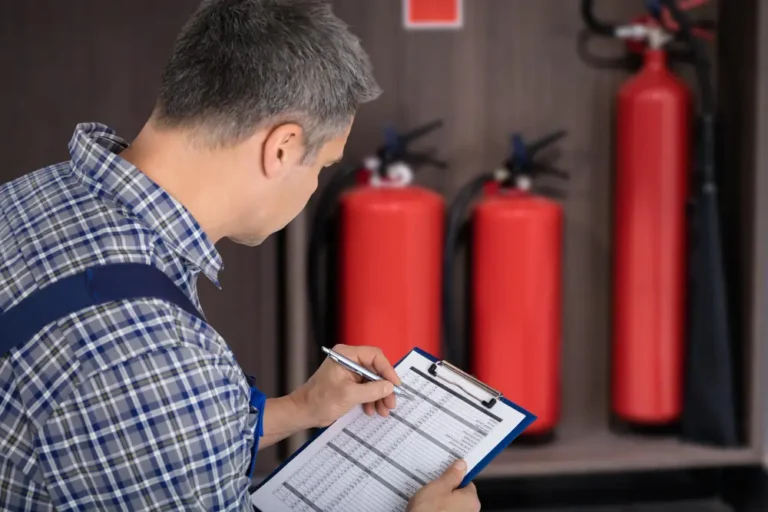
7. Conduct Regular Fire Safety Inspections
Routine inspections can help detect fire hazards early. Appoint a fire warden or safety officer to:
- Perform monthly fire safety checks.
- Report unsafe practices.
- Oversee fire drills and staff training.
8. Install Fire Suppression Systems Where Needed
In high-risk areas like server rooms, kitchens, or storage spaces, install automatic fire suppression systems such as sprinklers or gas-based extinguishers. These activate without human intervention and are crucial in protecting valuable assets.
9. Display Fire Safety Signage and Instructions
Offices must have clear fire safety signs indicating:
- Fire exits.
- Fire extinguisher locations.
- Alarm points.
- Instructions for what to do in case of fire.
Use both pictorial signs and written instructions in multiple languages if needed.
10. Limit the Use of Flammable Materials
For anyone searching why modern fire alarms are important in high-rise buildings, the answer is simple—early detection saves lives and reduces damage.
In today’s buildings, where hundreds or even thousands of people may be present at any time, having a legacy fire system is a risk no facility manager can afford. Modern fire sensors:
Bonus Tips: Enhancing Fire Safety in Smart Workspaces
With the adoption of smart building technologies and building automation systems, fire safety in modern offices can be more efficient. You can:
- Use smart smoke detectors that send alerts to smartphones.
- Integrate fire alarms with building automation for automatic response (like unlocking doors, turning on sprinklers).
- Monitor temperature or gas leaks in real time.
Legal Compliance for Office Fire Safety in India
In India, office fire safety is governed by local fire safety norms, the National Building Code (NBC), and guidelines from respective State Fire Departments. Offices must:
- Obtain a Fire NOC (No Objection Certificate).
- Follow state fire norms regarding equipment, exits, and emergency plans.
- Ensure compliance to avoid penalties or closure during inspections.
Also Read: Biometric Security Systems and Their Role During Fire Emergencies
What to Do During a Fire Emergency in an Office
In case of a fire, follow these steps:
- Raise the alarm immediately.
- Evacuate using designated escape routes—don’t use elevators.
- Assist anyone who needs help.
- Close doors behind you to slow fire spread.
- Assemble at the pre-defined meeting area.
- Report to fire marshals or emergency responders.
Final Thoughts
Fire safety in the office is a shared responsibility between employers, employees, facility managers, and safety officers. By implementing these fire safety rules, offices not only comply with regulations but also protect lives, assets, and operations.
Don’t wait for a tragedy to take fire safety seriously. Act today—assess your risks, upgrade your equipment, train your team, and build a culture of safety. When it comes to fire safety in the workplace, prevention is always better than cure.