
Fire Safety Awareness Programs for Schools and Colleges: Building a Safer Future
Schools and colleges are places where young minds grow, learn, and prepare for the future. But along with education, safety is equally important. One of the most critical yet often overlooked areas is fire safety awareness. Every year, fire incidents in educational institutions result in injuries, property damage, and sometimes tragic loss of life. Most of these incidents can be prevented through proper fire safety awareness programs.
Fire safety awareness programs for schools and colleges are not just a legal requirement; they are a responsibility. These programs educate students, teachers, and staff on how to prevent fires and how to respond effectively in an emergency. When awareness is combined with the right fire safety equipment and training, campuses become much safer environments.
Why Fire Safety Awareness Is Crucial for Educational Institutions
Children and young adults spend a significant portion of their day inside school and college campuses. Laboratories, libraries, hostels, kitchens, and auditoriums increase the risk of fire if safety measures are ignored.
Fire safety awareness helps students understand:
- How fires start
- What actions to avoid
- How to react calmly during emergencies
Early education creates lifelong habits. Students trained in fire safety often become more responsible citizens who value safety at home, workplaces, and public spaces.
Understanding risks is the first step toward prevention. Some common fire hazards include:
- Faulty electrical wiring and overloaded sockets
- Unsafe use of laboratory chemicals
- Poor maintenance of fire alarms and fire detection systems
- Blocked emergency exits
- Lack of awareness among students and staff
Fire safety awareness programs directly address these risks by teaching preventive behavior and emergency response techniques.
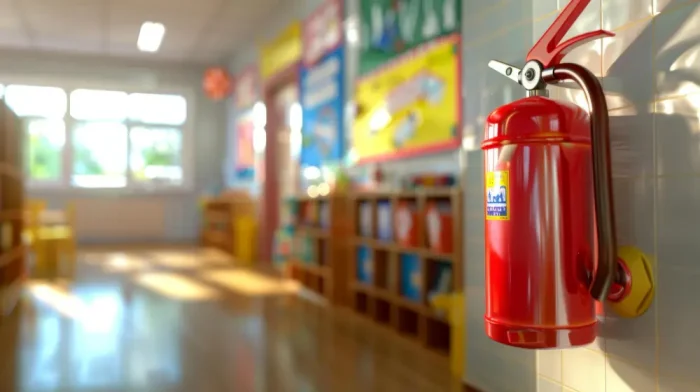
Key Elements of an Effective Fire Safety Awareness Program
1. Fire Safety Education and Training
Fire safety training for students and teachers should be conducted regularly. These sessions should explain:
- Basics of fire behavior
- Causes of fire accidents
- Safe evacuation procedures
Fire safety education in schools and colleges should be age-appropriate and interactive to ensure better understanding and retention.
2. Fire Drills and Emergency Evacuation Practice
Fire drills are essential to test preparedness. During emergencies, panic can make situations worse. Regular drills help students and staff:
- Identify emergency exits
- Follow evacuation routes
- Assemble safely at designated points
Such drills significantly reduce confusion during real incidents.
3. Installation of Fire Safety Equipment
Awareness programs must be supported by proper infrastructure. Schools and colleges should have:
- Fire alarms to alert occupants instantly
- Fire detection systems for early warning
- Smoke detectors in classrooms, corridors, and hostels
- Fire sprinkler systems and automatic sprinkler systems in high-risk areas
- Fire hydrant systems for large campuses
- Fire suppression systems and water mist systems in laboratories and server rooms
Students should be taught how these systems work and why they must never be tampered with.
Passive and Active Fire Protection in Educational Campuses
Fire safety is not only about equipment; it is also about building design.
Passive Fire Protection
- Fire rated doors to slow fire spread
- Fire-resistant walls and materials
- Safe staircases and exit pathways
Active Fire Protection
- Fire alarms
- Fire sprinkler systems
- Fire suppression systems
Fire safety awareness programs should explain the difference between passive fire protection and active fire protection so that everyone understands their importance.
Role of Safety Officers and Facility Managers
Safety officers and facility managers play a vital role in implementing fire safety awareness programs. Their responsibilities include:
- Regular inspection of fire safety equipment
- Coordinating fire drills
- Ensuring compliance with safety regulations
- Updating emergency plans
Awareness programs become more effective when these professionals actively engage with students and teaching staff.
Integrating Fire Safety with Campus Security Systems
Modern campuses are increasingly adopting advanced security systems. Fire safety awareness can be enhanced when integrated with:
- Access control systems to manage emergency exits
- Biometric security systems that help monitor campus movement
This integration ensures smooth evacuation and prevents overcrowding during emergencies.
Benefits of Fire Safety Awareness Programs for Students
Fire safety awareness programs offer long-term benefits, such as:
- Reduced fire accidents
- Faster emergency response
- Improved confidence during crises
- Better understanding of fire safety equipment
- Strong safety culture within institutions
Students trained in fire safety often act responsibly and help others during emergencies.
Learning from Fire Safety Exhibitions and Events
Educational institutions can further strengthen awareness by connecting with industry platforms like fire safety exhibitions and fire safety events. These platforms showcase the latest technologies, best practices, and innovations in fire protection.
Events such as the Fire & Security India Expo and Fire & Security India Expo 2026 provide valuable exposure to:
- Advanced fire detection systems
- Modern fire sprinkler systems
- Innovative fire suppression solutions
- Integrated safety and security technologies
Participating in a fire and safety exhibition helps safety officers and facility managers stay updated with industry standards.
Fire Safety Expo and Its Role in Awareness
The Fire safety Expo, Fire Expo, and Fire Expo 2026 are among the most important platforms for promoting fire safety awareness in India. These expos bring together experts, manufacturers, and safety professionals under one roof.
The Fire safety expo Mumbai and Fire Exhibition Mumbai attract schools, colleges, and institutions looking to improve campus safety. Events like FSIE Mumbai offer valuable opportunities for learning, networking, and FSIE registration enables institutions to access knowledge that can be applied directly to awareness programs.
Recognized as one of the top fire and security expos in India, such events play a crucial role in spreading fire safety knowledge.
Creating a Fire-Safe Future Through Awareness
Fire safety awareness programs for schools and colleges are investments in safety, education, and responsibility. Awareness alone is not enough, but when combined with proper training, modern fire safety equipment, and exposure to platforms like fire and security expo in India, institutions can create safer learning environments.
Educational institutions that prioritize fire safety protect not only their infrastructure but also the lives of students and staff. By making fire safety awareness a regular practice, schools and colleges can set an example for society and contribute to a safer future.
Final Thoughts
Fire incidents are unpredictable, but preparation saves lives. Fire safety awareness programs should be treated as an essential part of education, not an optional activity. With the right knowledge, equipment, and continuous learning through fire safety events and exhibitions, schools and colleges can ensure safety remains a top priority.