
What Is a Fire and Gas Detection System?
A fire and gas detection system is a safety system designed to identify fire, smoke, heat, flames, or hazardous gas leaks at an early stage. It helps protect people, buildings, equipment, and industrial facilities by detecting dangerous conditions before they become major incidents.
These systems are especially important in industries where flammable or toxic gases are present. Oil and gas facilities, refineries, chemical plants, manufacturing units, warehouses, power plants, and other high-risk sites may use fire and gas detection systems as part of their overall safety strategy.
A typical system combines different detectors, control panels, alarms, and communication devices. Depending on the application, it may also interact with fire suppression systems, emergency shutdown systems, ventilation systems, and other safety equipment.
For safety officers and facility managers, understanding how these systems work is important for building a reliable fire protection strategy.
What Does a Fire and Gas Detection System Detect?
A fire and gas detection system can monitor several signs of an emergency.
These may include:
- Smoke
- Heat
- Flames
- Combustible gases
- Toxic gases
- Gas leaks
- Sudden changes in temperature
- Other hazardous conditions
The exact combination depends on the type of facility.
For example, an office building may mainly require smoke detectors, heat detectors, and fire alarms. An oil and gas facility may require flame detectors and gas detectors in addition to traditional fire detection equipment.
This is why there is no single detection system suitable for every facility. The system should be designed according to the site’s risks, processes, layout, and operating conditions.
Also Read: The Future of Fire Detection: AI-Powered Smoke and Heat Sensors
How Does a Fire and Gas Detection System Work?
The basic working principle is relatively simple.
Detect → Analyze → Alert → Respond
Sensors continuously monitor the surrounding environment. When a detector identifies a condition outside its normal range, it sends a signal to the fire and gas control panel.
The control system evaluates the signal and determines whether an alarm or other safety action is required.
If a dangerous condition is confirmed, the system may:
- Activate audible and visual alarms.
- Send an alert to the control room.
- Display the location of the detected hazard.
- Initiate emergency shutdown procedures.
- Activate ventilation or other safety equipment.
- Trigger a suitable fire suppression system where configured.
- Notify emergency response teams.
This rapid sequence can give workers valuable time to evacuate or control the incident.
Also Read: The Role of Passive Fire Protection in High-Rise Buildings
Main Components of a Fire and Gas Detection System
A complete system usually contains several components that work together.
1. Fire Detectors
Fire detectors identify signs of combustion or fire.
Common types include smoke, heat, and flame detectors.
Smoke detectors identify smoke particles in the air. They are widely used in offices, commercial buildings, hotels, warehouses, and other facilities.
Heat detectors respond when the temperature reaches a predetermined level or rises unusually quickly.
Flame detectors identify the optical characteristics of a flame. They can be particularly useful in industrial environments where a fire may develop rapidly.
2. Gas Detectors
Gas detectors identify the presence of specific gases.
Depending on the application, they may detect combustible gases such as methane or propane, or toxic gases such as hydrogen sulfide and carbon monoxide.
Gas detectors are particularly important in oil and gas, petrochemical, chemical, and industrial facilities.
Early gas detection can help prevent a small leak from becoming a fire, explosion, or toxic exposure incident.
3. Fire and Gas Control Panel
The control panel acts as the central processing unit of the system.
It receives information from connected detectors and devices. It then processes the signals and activates the appropriate response.
Modern systems can provide information about the type and location of an alarm. This helps safety officers and emergency teams respond more quickly.
4. Alarm Devices
Alarm devices inform people that an emergency has been detected.
They can include:
- Sirens
- Horns
- Strobes
- Flashing lights
- Public address systems
- Control room alerts
Visual alarms are particularly useful in noisy industrial environments where an audible alarm may not be heard clearly.
5. Communication and Monitoring Systems
Modern fire and gas systems can be integrated with building management systems and industrial control systems.
Information can be displayed on a central monitoring screen. Some systems can also send alerts to designated personnel.
This gives facility managers better visibility into safety conditions across a large site.
Detection alone cannot control a refinery fire. The facility also needs appropriate fire suppression system
Fire Detection System vs. Gas Detection System
Although both systems are designed to improve safety, they detect different hazards.
A fire detection system primarily identifies signs of fire, such as smoke, heat, or flames.
A gas detection system identifies the presence of hazardous gases before or during an incident.
In high-risk industrial environments, combining both technologies provides broader hazard coverage.
For example, consider an oil processing facility.
A gas detector may identify a flammable gas leak. If the leak is not controlled and ignition occurs, flame and heat detectors may identify the resulting fire.
The two systems therefore address different stages of the potential incident.
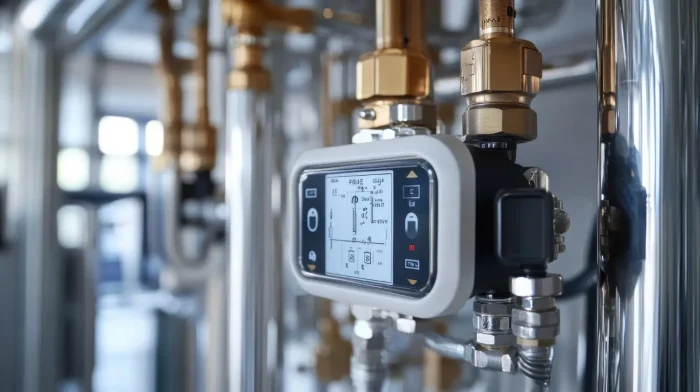
Why Are Fire and Gas Detection Systems Important in Oil and Gas Facilities?
Oil and gas facilities can contain large quantities of flammable materials. A leak can create a dangerous atmosphere within a short period.
Potential hazards include:
- Gas leaks
- Hydrocarbon fires
- Explosions
- Toxic gas releases
- High-temperature equipment
- Pressurized systems
A fire and gas detection system provides continuous monitoring of these risks.
For this reason, detection systems are commonly considered an important part of a broader industrial safety strategy.
However, detection alone is not enough. Facilities also need appropriate emergency procedures, fire suppression equipment, evacuation plans, maintenance programs, and trained personnel.
Fire and Gas Detection as Part of a Larger Fire Protection System
Detection is only one layer of fire protection.
A complete safety strategy can include both active and passive fire protection.
Active systems respond to an incident. These may include:
- Fire alarms
- Automatic sprinkler systems
- Fire suppression systems
- Fire hydrant system
- Water mist systems
- Fire extinguishing equipment
Passive fire protection works by helping contain or slow the spread of fire.
Examples include:
- Fire-rated walls
- Fire rated doors
- Fire-resistant structural materials
- Compartmentation
- Fire stopping systems
Together, these measures can provide multiple layers of protection.
For example, a smoke detector may identify a fire. The fire alarm can alert occupants. An automatic sprinkler system may control the fire, while passive fire protection can help prevent it from spreading to another area.
Where Are Fire and Gas Detection Systems Used?
These systems can be used in many environments.
Oil and Gas
Refineries, terminals, pipelines, offshore platforms, and processing facilities can use fire and gas detection to monitor flammable and toxic hazards.
Chemical Plants
Chemical facilities may handle materials that can produce toxic, combustible, or corrosive gases.
Manufacturing Facilities
Factories can use detection systems to monitor production areas, storage spaces, machinery, and hazardous processes.
Warehouses
Warehouses may use smoke and heat detection to identify fires in storage areas.
Power Plants
Power generation facilities can have multiple fire risks involving electrical equipment, fuel, lubricants, and machinery.
Commercial Buildings
Offices, shopping centres, hotels, hospitals, and other commercial properties commonly use fire detection and alarm systems to protect occupants.
What Should Facility Managers Consider?
Choosing a fire and gas detection system should not be based only on the cost of equipment.
Facility managers should consider the actual risk profile of the site.
Important factors include:
Type of Hazard
What materials are present? Are they combustible, flammable, or toxic?
Detection Area
The number and location of detectors should match the facility layout and risk zones.
Environmental Conditions
Temperature, humidity, dust, vibration, and other conditions can affect detector performance.
Response Requirements
Consider what should happen after a detector identifies a hazard.
Should the system only generate an alarm, or should it also initiate emergency shutdown or suppression procedures?
Maintenance
Detection systems require regular inspection, testing, and maintenance.
A detector that is not working correctly cannot provide reliable protection when it is needed.
Importance of Regular Testing and Maintenance
Installing a fire and gas detection system is only the beginning.
Detectors, control panels, alarms, batteries, communication systems, and associated equipment should be inspected and tested according to the applicable requirements and manufacturer’s instructions.
Maintenance helps identify problems such as:
- Damaged detectors
- Faulty wiring
- Battery issues
- Sensor degradation
- Communication failures
- Incorrect system settings
- Blocked or contaminated detectors
Safety officers should also ensure that employees understand alarm signals and emergency procedures.
A technically advanced system cannot replace proper emergency planning and trained personnel.
Fire and Gas Detection Systems in India
India’s rapid industrial development has increased the importance of effective fire and safety solutions across sectors.
Industries such as oil and gas, manufacturing, chemicals, logistics, infrastructure, and commercial real estate all face different fire and safety challenges.
Indian facilities should consider applicable national, local, industry-specific, and site-specific requirements when designing and maintaining fire detection systems.
The right solution depends on the building type, occupancy, processes, materials, and risk profile.
This is also why industry events provide an opportunity for safety professionals to explore new technologies and understand developments in fire and security.
Events such as the Fire & Security India Expo bring together manufacturers, technology providers, industry professionals, safety officers, facility managers, and other stakeholders across the fire and security industry.
Frequently Asked Questions
What is a fire and gas detection system?
A fire and gas detection system monitors an area for signs of fire and hazardous gas. It can detect smoke, heat, flames, combustible gases, or toxic gases and generate an alarm or initiate other configured safety actions.
What is the difference between fire detection and gas detection?
Fire detection identifies signs of an existing or developing fire, such as smoke, heat, or flames. Gas detection identifies hazardous gas concentrations, which may help detect a leak before ignition or toxic exposure occurs.
Where are fire and gas detection systems commonly used?
They are commonly used in oil and gas facilities, refineries, chemical plants, manufacturing facilities, power plants, warehouses, and other high-risk environments.
Is a fire alarm the same as a fire detection system?
Not exactly. A fire detection system includes detectors and control equipment that identify a potential fire. A fire alarm system communicates the warning to occupants or emergency personnel. Both systems normally work together.
Can a fire and gas detection system activate fire suppression?
Yes. Depending on the system design and facility requirements, detection signals can be integrated with suitable fire suppression systems or other emergency response systems.
Conclusion
A fire and gas detection system is an important part of modern fire and industrial safety. It continuously monitors an environment for dangerous conditions and provides early warnings when a hazard is detected.
For high-risk industries such as oil and gas and chemicals, combining fire detection with gas monitoring can provide a broader approach to hazard identification.
However, detection should be viewed as one layer of a complete safety strategy. Fire alarms, suppression systems, automatic sprinkler systems, passive fire protection, emergency procedures, and trained personnel all have important roles.
As fire safety technology continues to develop, businesses and safety professionals need to understand both traditional protection methods and emerging detection technologies. Industry platforms such as the Fire & Security India Expo 2027 can also help professionals explore new products, technologies, and solutions for India’s evolving fire and security requirements.