
How Early Fire Detection Saves Lives and Property
Fire emergencies rarely give second chances. In most cases, the difference between minor damage and catastrophic loss depends on one critical factor — how early the fire is detected. Early fire detection is not just about installing devices; it is about creating a proactive safety ecosystem that protects people, infrastructure, and investments.
Across commercial buildings, industrial facilities, hospitals, shopping malls, and residential complexes in India, the importance of a reliable fire detection system has never been greater. Especially in rapidly developing cities like Mumbai, where infrastructure density is high, early detection systems play a life-saving role.
Why Early Fire Detection Matters
A fire can double in size every 30–60 seconds. Within minutes, smoke spreads across floors, visibility drops, and escape routes become blocked. Without timely alerts from fire alarms or smoke detectors, occupants may not even realize the danger until it is too late.
Early fire detection helps:
- Alert occupants immediately
- Activate fire suppression systems
- Reduce response time for emergency teams
- Minimize property damage
- Protect critical assets and data
The earlier a fire detection system identifies heat, smoke, or flame, the faster preventive action can begin.
An advanced fire detection system is made up of multiple integrated technologies. Each component plays a specific role in saving lives.
Fire Alarms and Smoke Detectors
Fire alarms and smoke detectors are the first line of defense. These devices detect smoke particles or temperature changes and immediately trigger an alarm.
Modern systems are interconnected. When one smoke detector senses danger, the entire building’s fire alarms activate, ensuring that occupants on every floor are alerted instantly.
Fire Suppression Systems
Once detection happens, fire suppression systems take over. These include:
- Fire sprinkler systems
- Automatic sprinkler systems
- Water mist systems
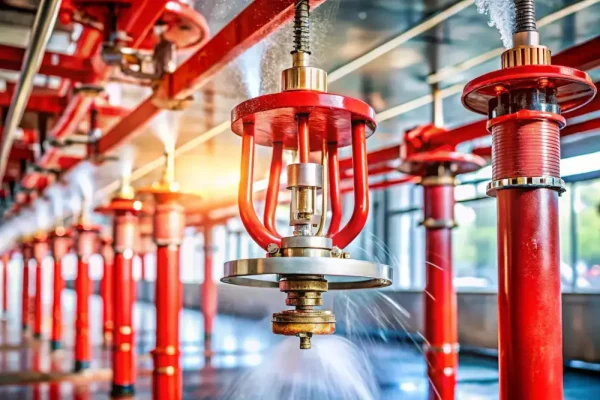
Sprinklers activate when temperature thresholds are crossed, containing flames before they spread. Water mist systems are particularly effective in sensitive environments like data centers and hospitals.
Fire Hydrant System
A fire hydrant system ensures that emergency responders have immediate access to high-pressure water. In large industrial and commercial complexes, hydrants are strategically installed to cover all zones.
Without early detection, however, even the most advanced hydrant system may be deployed too late. Detection and suppression must work together.
Also read: Easy Upgrades to Improve Fire Safety in Your Building.
Passive & Active Fire Protection: A Complete Strategy
Fire safety is strongest when both active and passive fire protection measures are in place.
Passive Fire Protection
Passive fire protection includes:
- Fire rated doors
- Fire-resistant walls
- Compartmentation systems
These measures slow down fire spread, giving occupants more time to evacuate safely.
Active Fire Protection
Active systems include:
- Fire alarms
- Smoke detectors
- Automatic sprinkler systems
- Water mist systems
- Fire suppression systems
Together, passive and active protection create a layered safety framework.
The Role of Security Systems in Fire Emergencies
Modern buildings integrate fire detection with Security Systems for faster response.
Access Control Systems
During a fire emergency, access control systems can automatically unlock emergency exits while restricting elevator access. This ensures safe evacuation.
Biometric Security
Biometric security systems, commonly used in corporate buildings, can integrate with emergency protocols. In an evacuation, system data helps safety officers verify whether all employees have exited safely.
Early fire detection connected with intelligent security systems reduces chaos and improves coordination.
Responsibility of Safety Officers and Facility Managers
Technology alone is not enough. Safety officers and facility managers play a crucial role in ensuring that systems function properly.
Their responsibilities include:
- Routine inspection of fire detection systems
- Testing fire alarms and smoke detectors
- Maintaining fire sprinkler systems
- Ensuring fire hydrant system readiness
- Conducting evacuation drills
In large facilities across Mumbai and other Indian cities, proactive management often makes the biggest difference.
Fire Safety in Mumbai: Why Early Detection Is Critical
Mumbai’s high-rise buildings, industrial clusters, and dense population demand advanced fire safety planning. Fire safety expo Mumbai events regularly highlight case studies where early detection prevented major disasters.
In commercial hubs and residential towers, integrated fire suppression systems and detection technologies are becoming mandatory. As regulations tighten, businesses must stay updated with the latest solutions.
Industry Innovation Showcased at Fire & Security India Expo
Leading innovations in fire detection and protection technologies are showcased at major industry events like Fire & Security India Expo and Fire & Security India Expo 2026.
These fire and security expo in India platforms bring together:
- Fire equipment manufacturers
- Fire exhibitors
- Security technology providers
- Safety officers
- Facility managers
- Government officials
Events such as fire safety exhibition 2026 India, security expo Mumbai 2026, and other upcoming security expo gatherings help industry professionals understand the importance of early detection.
At such fire safety events and security exhibitions in Mumbai, you can explore advanced fire detection system solutions, smart sprinkler technologies, AI-based smoke detectors, and integrated access control systems.
For professionals planning to upgrade infrastructure, Fsie Registration provides access to the latest trends in fire security expo technologies.
How Early Detection Protects Property Investment
Property loss due to fire includes:
- Structural damage
- Equipment loss
- Data destruction
- Business interruption
- Legal liabilities
Installing automatic sprinkler systems and water mist systems significantly reduces insurance claims and downtime.
Businesses participating in safety and security expo events often discover cost-effective yet advanced solutions that improve long-term ROI.
The Future of Early Fire Detection in India
Technology is evolving rapidly. The next generation of fire detection systems includes:
- AI-powered smoke analysis
- IoT-connected fire alarms
- Remote monitoring dashboards
- Integration with smart building systems
At fire exhibition Mumbai and other top fire and security expos in India, smart safety ecosystems are becoming the standard.
As India’s infrastructure grows, especially in metro cities, the demand for reliable fire suppression systems and integrated security systems will continue to rise.
Conclusion
Early fire detection is not a luxury — it is a necessity. From fire alarms and smoke detectors to fire hydrant systems and water mist systems, every component plays a role in saving lives.
When detection systems are combined with passive fire protection, fire rated doors, and intelligent security systems, the result is a comprehensive safety environment.
For safety officers, facility managers, and decision-makers, staying updated through platforms like Fire & Security India Expo is essential. As we move toward Fire & Security India Expo 2026, the focus remains clear: smarter detection, faster response, and safer infrastructure.
Because in fire emergencies, seconds matter — and early detection saves lives and property.