How Automatic Sprinkler Systems Reduce Fire Damage in High-Risk Facilities
Fire incidents in high-risk facilities can spread within minutes and cause severe damage to property, equipment, and human life. Industries such as manufacturing plants, warehouses, hospitals, chemical processing units, power facilities, and data centers often deal with conditions where the risk of fire is much higher than in standard commercial buildings.
In these environments, early fire control is critical. Even a few extra minutes can mean the difference between a minor incident and a major operational disaster. This is where automatic sprinkler systems play an important role.
Unlike manual firefighting methods that depend on human response, sprinkler systems react automatically when heat reaches a dangerous level. They work immediately to slow or stop fire growth, helping reduce structural damage, operational downtime, and safety risks.
In India, where industrial growth continues to expand across sectors, many businesses are now investing in stronger fire protection strategies to comply with regulations and improve workplace safety.
What Are Automatic Sprinkler Systems?
Automatic sprinkler systems are part of a building’s fire suppression systems designed to control or extinguish fires in their early stages. These systems release water automatically when a sprinkler head detects high heat.
Many people believe that all sprinkler heads activate at once during a fire. In reality, only the sprinkler closest to the heat source usually activates first. This targeted response helps reduce water waste while controlling the fire effectively.
Most fire sprinkler systems include:
- Water supply source
- Pipes connected throughout the building
- Sprinkler heads
- Alarm valve system
- Monitoring and control equipment
When temperatures rise beyond a preset level, the heat-sensitive element inside the sprinkler breaks, releasing water directly onto the fire.
This quick response is one of the biggest reasons sprinkler systems are considered essential in high-risk facilities.
Why High-Risk Facilities Need Better Fire Protection
High-risk facilities often include:
- Manufacturing units with combustible materials
- Chemical storage warehouses
- Oil and gas facilities
- Hospitals and healthcare buildings
- Data centers with electrical equipment
- Large logistics and storage facilities
In these environments, a small ignition source can quickly become dangerous.
For example, an electrical short circuit near flammable packaging materials inside a warehouse can spread rapidly if not controlled immediately. Delays in firefighting response may result in large financial losses and operational shutdowns.
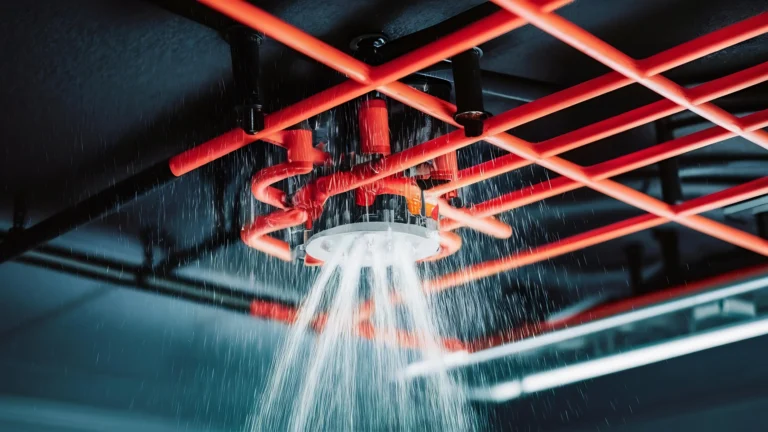
How Automatic Sprinkler Systems Reduce Fire Damage
1. Immediate Fire Response
One of the biggest advantages of sprinkler systems is speed.
Traditional firefighting depends on someone noticing smoke, alerting emergency services, and waiting for responders to arrive. During this time, flames continue spreading.
Automatic sprinkler systems begin working almost instantly after detecting dangerous heat levels.
This fast action helps:
- Control flames before they spread
- Lower indoor temperatures
- Reduce smoke production
- Prevent flashover situations
In many cases, sprinklers contain the fire before emergency responders even reach the location.
2. Limits Structural Damage
Fires can weaken walls, ceilings, electrical systems, and structural steel within a short period.
Without suppression, heat can compromise an entire building.
Automatic sprinklers reduce the temperature and stop flames from spreading to nearby areas. This minimizes structural destruction and helps businesses avoid expensive repairs.
For industries that depend on uninterrupted operations, preventing severe building damage is critical.
A manufacturing facility shut down for weeks after a fire may face supply chain disruption, revenue loss, and damaged client trust.
3. Protects Expensive Equipment
High-risk facilities often use costly machinery and specialized equipment.
For example:
- Data centers store valuable servers
- Hospitals depend on medical devices
- Factories operate automated production systems
Fire damage to equipment can create losses far beyond building repairs.
Sprinkler systems reduce heat exposure and limit flame spread, protecting machinery and improving recovery time after an incident.
Businesses often find that early suppression significantly lowers replacement costs.
4. Improves Life Safety
The primary goal of any fire safety system is protecting people.
Automatic sprinkler systems help create safer evacuation conditions by reducing smoke and controlling fire growth.
Combined with smoke detectors and a proper fire detection system, sprinklers provide occupants with valuable time to leave the building safely.
This is especially important in:
- Hospitals with patients requiring assistance
- Hotels and residential towers
- Large industrial buildings with hundreds of workers
- Schools and educational campuses
In emergency situations, even a few extra minutes can save lives.
5. Supports Other Fire Safety Systems
Sprinklers work best as part of a larger fire protection strategy.
Modern facilities often combine them with:
- Fire alarms for emergency alerts
- Fire hydrant system networks for firefighting teams
- Passive fire protection systems to slow fire spread
- Fire-rated barriers and compartmentalization
For example, fire rated doors help contain flames within a limited area while sprinklers suppress the heat source.
This layered safety approach reduces overall fire risk and improves emergency response efficiency.
Also Read: The Role of Passive Fire Protection in High-Rise Buildings
Types of Facilities That Benefit Most from Sprinkler Systems
Manufacturing Plants
Factories often contain heat-generating equipment, chemicals, and combustible materials.
Sprinkler systems reduce production loss and improve worker safety.
Warehouses
Storage buildings face high fire loads due to packaging materials, inventory stacking, and large open spaces.
Fast suppression helps stop fires from spreading across inventory.
Hospitals
Healthcare facilities require continuous operations and safe evacuation planning.
Sprinklers help protect patients, staff, and critical medical equipment.
Data Centers
Data centers contain electrical systems that are highly sensitive to overheating.
In some cases, facilities may also use water mist systems as an alternative suppression solution in specialized environments.
Commercial Buildings
Large office towers, malls, and mixed-use developments increasingly depend on automatic sprinkler systems for compliance and safety
The Role of Fire Safety Regulations in India
India has seen growing awareness around industrial fire protection in recent years.
Several industries now follow stricter compliance requirements based on:
- National Building Code (NBC) guidelines
- State fire department approvals
- Insurance safety standards
- Industrial risk assessments
Many local authorities require fire safety infrastructure based on building type, occupancy, and hazard level.
Businesses that invest in preventive systems often experience lower operational risk and improved insurance confidence.
For industries operating in metro cities and industrial hubs, fire preparedness is no longer optional.
Common Misconceptions About Sprinkler Systems
“All sprinkler heads activate together”
This is one of the biggest myths.
Most systems activate only the sprinkler nearest to the heat source.
“Water damage is worse than fire damage”
Uncontrolled fire usually causes far greater destruction than localized sprinkler water release.
Sprinklers often reduce total losses significantly.
“They are only needed in large factories”
Even medium-sized facilities can face major fire risks depending on stored materials, occupancy, or equipment.
Risk level matters more than building size.
Best Practices for Facility Managers
Installing a system is only the first step.
Regular inspection and maintenance are essential for performance.
Facility managers should focus on:
- Routine inspection of sprinkler heads
- Checking water pressure and flow systems
- Testing alarm integration
- Ensuring clear access to sprinkler coverage areas
- Conducting fire drills with staff
A neglected system may fail during emergencies.
Working with certified fire safety professionals ensures better reliability and compliance.
Final Thoughts
Fire emergencies in high-risk facilities can escalate quickly and create long-term financial, operational, and human consequences.
Automatic sprinkler systems provide one of the most reliable ways to reduce fire damage before situations become uncontrollable.
By responding quickly, limiting heat spread, protecting infrastructure, and supporting safer evacuations, these systems play a major role in modern fire protection.
When combined with fire alarms, smoke detectors, fire suppression systems, and proper passive fire protection, sprinkler systems help businesses create safer environments and reduce disaster-related losses.