Why Occupational Safety Should Be a Priority for Every Employer
Occupational safety is no longer limited to large factories or heavy industries. Today, it is equally important for offices, startups, warehouses, retail stores, construction sites, and commercial buildings. Every employer, regardless of business size, has a responsibility to provide a safe and healthy working environment for employees.
In India, workplace accidents, health issues, and safety-related incidents continue to affect productivity, employee morale, and business reputation. Many of these incidents are preventable with proper planning, training, and safety systems.
This article explains why occupational safety should be a priority for every employer, how it benefits businesses, and how safety exhibitions in India help organizations stay updated with best practices and solutions.
What Is Occupational Safety?
Occupational safety refers to the policies, systems, and practices designed to protect employees from workplace hazards. These hazards may include physical injuries, fire risks, electrical faults, chemical exposure, ergonomic problems, and health-related risks.
Occupational safety is not only about compliance with laws. It is about creating a culture where employees feel protected and valued.
Many employers believe safety is an additional cost. In reality, poor safety practices cost much more in the long run.
Workplace accidents can result in medical expenses, legal penalties, compensation claims, downtime, and loss of skilled employees. In severe cases, businesses may face shutdowns or damage to their brand image.
By prioritizing occupational safety, employers can prevent incidents before they occur and build a more resilient organization.
Also read: Easy Upgrades to Improve Fire Safety in Your Building.
Legal and Compliance Responsibilities in India
Indian labor and safety regulations require employers to maintain safe working conditions. Depending on the industry and building type, employers must follow fire safety rules, electrical safety standards, and occupational health guidelines.
Failure to meet safety requirements can lead to fines, legal action, and cancellation of business licenses. More importantly, it can put lives at risk.
Employers who stay proactive about occupational safety are better prepared for inspections and audits.
Common Workplace Hazards Employers Should Address
Every workplace has unique risks. Identifying and managing these hazards is a key part of occupational safety.
Physical Hazards
Slips, trips, falls, and unsafe machinery are common causes of injuries in offices and industrial spaces.
Fire and Electrical Risks
Faulty wiring, overloaded circuits, and lack of fire detection systems increase fire risks in commercial buildings.
Health and Ergonomic Issues
Poor workstation design, long working hours, and lack of ventilation can lead to long-term health problems.
Human Error and Lack of Training
Untrained staff are more likely to make mistakes that lead to accidents.
Role of Employers in Creating a Safe Workplace
Occupational safety starts with leadership. Employers set the tone for safety culture within the organization.
Employers should ensure that safety policies are clearly defined and communicated. Regular safety training, drills, and inspections help employees understand risks and respond correctly during emergencies.
Assigning responsibility to safety officers or facility managers ensures accountability and consistency in safety practices.
Occupational Safety Improves Productivity and Employee Trust
A safe workplace directly impacts productivity. Employees who feel safe are more focused, confident, and engaged in their work.
When safety is prioritized, absenteeism due to injuries or illness decreases. Staff retention improves because employees prefer working for organizations that care about their well-being.
Occupational safety also strengthens trust between employers and employees, creating a positive work environment.
Fire Safety as a Core Part of Occupational Safety
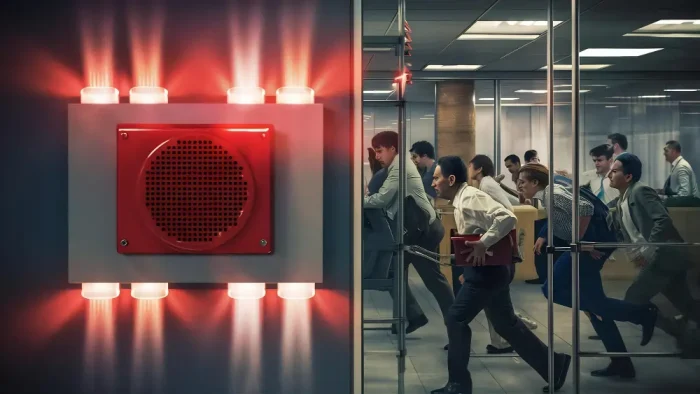
Fire safety is one of the most critical components of occupational safety. Offices, warehouses, and industrial facilities face fire risks due to electrical equipment, flammable materials, and human error.
Employers should install fire detection systems, fire alarms, and fire suppression systems suited to their workplace size and usage. Emergency exits should be clearly marked, and evacuation plans should be shared with all employees.
Regular fire drills and equipment maintenance reduce panic and confusion during emergencies.
Importance of Training and Safety Awareness
Safety equipment alone is not enough. Employees must know how to use it correctly.
Regular training sessions help employees understand workplace hazards, emergency procedures, and reporting systems. Safety awareness programs also encourage employees to take responsibility for their own safety and that of their colleagues.
Training should be updated whenever new equipment, processes, or layouts are introduced.
Occupational Safety and Risk Management
Occupational safety plays a key role in risk management. Identifying potential risks early allows employers to implement control measures before incidents occur.
Risk assessments help organizations prioritize safety investments based on real threats rather than assumptions. This approach reduces unexpected losses and improves business continuity.
How Technology Is Improving Workplace Safety
Modern safety technologies have made occupational safety more effective and efficient.
Integrated fire and security systems, access control, monitoring solutions, and automated alerts help employers respond quickly to emergencies. Data-driven safety management allows organizations to track incidents and improve preventive measures.
Employers who adopt modern safety solutions stay ahead of risks and compliance challenges.
Learning From Occupational Safety Exhibitions in India
Staying updated with safety standards and technologies can be challenging for employers. Safety exhibitions provide a practical solution.
Fire & Security India Expo
The Fire & Security India Expo is a key platform where employers, safety professionals, and solution providers come together. It showcases the latest occupational safety products, fire safety systems, and workplace security technologies.
At events like the Fire & Security India Expo, employers can compare solutions, understand compliance requirements, and connect with industry experts. These exhibitions are especially valuable for small and medium-sized businesses that want practical guidance.
Why Mumbai Is a Hub for Safety and Security Events
Mumbai hosts several occupational safety and fire safety exhibitions due to its large commercial and industrial presence. Employers from across India visit Mumbai-based safety events to explore solutions relevant to offices, factories, and commercial buildings.
Safety exhibitions in Mumbai help organizations understand region-specific risks, regulations, and best practices.
Occupational Safety Benefits Beyond Compliance
Prioritizing occupational safety offers long-term benefits beyond legal compliance.
- Reduced workplace accidents and injuries
- Lower insurance and compensation costs
- Improved employee morale and retention
- Stronger business reputation
- Better preparedness for emergencies
Employers who invest in safety build sustainable and responsible businesses.
FAQs
Why is occupational safety important for employers?
Occupational safety protects employees, reduces business risks, and ensures legal compliance while improving productivity.
Is occupational safety required for small businesses in India?
Yes. Even small businesses must follow basic safety and health guidelines depending on workplace type and size.
How can employers improve occupational safety?
Employers can improve safety through risk assessments, training, proper safety systems, and regular inspections.
Conclusion
Occupational safety should be a priority for every employer, regardless of industry or business size. A safe workplace protects employees, reduces risks, and supports long-term business growth.
By investing in safety systems, training, and awareness, employers create a work environment that values human life and operational stability. Attending occupational safety and fire safety exhibitions in India, such as the Fire & Security India Expo, helps employers stay informed and prepared.
A strong commitment to occupational safety is not just a responsibility. It is a smart business decision.