
Fire Safety for Metro and Transit Infrastructure in India
India’s metro and transit systems are becoming the lifeline of our major cities. From Delhi Metro to Mumbai Metro, Chennai, Bangalore, Hyderabad, Pune, and now Tier-2 cities—public transport is expanding rapidly. With millions of passengers travelling every day, fire safety for metro and transit infrastructure has become a major priority. Even a small fire incident in a station, tunnel, or train can cause panic, service disruptions, and serious risks to life.
This blog explains the practical challenges, modern fire safety technologies, and best practices that Indian metro systems must follow to keep passengers and operations safe.
Why Fire Safety Matters in India’s Metro Systems
Metro networks handle dense crowds, work around the clock, and operate in confined spaces such as tunnels, platforms, and underground stations. Any fire incident in such an environment can spread quickly due to:
- Limited ventilation
- High passenger volume
- Electrical systems
- Fuel or material ignition sources
- Narrow evacuation paths
This is why metro authorities rely heavily on fire alarms, detection systems, suppression technologies, and strong safety protocols to maintain safe operations.
Every metro system in India faces similar fire hazards, including:
1. Electrical Fires
Most metro fires start due to electrical short circuits, overheated cables, power supply issues, or battery systems.
2. Overcrowding
Peak-hour rush increases evacuation time and makes emergency management challenging.
3. Combustible Materials
Plastic seating, advertisements, baggage, or waste can accelerate fire spread.
4. Tunnel and Underground Station Hazards
Smoke disperses slowly in enclosed areas, affecting visibility and breathing.
5. Train Coach Fires
Mechanical equipment, HVAC units, and control systems are potential ignition points.
Also read: Easy Upgrades to Improve Fire Safety in Your Building.
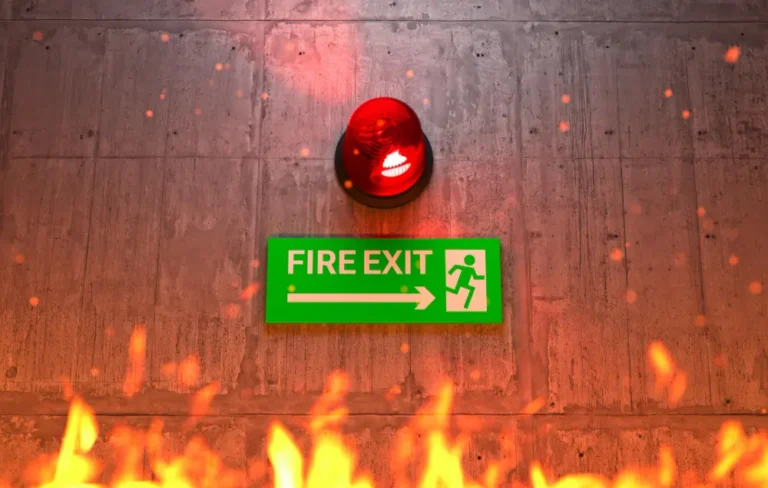
Essential Fire Safety Systems in Metro Infrastructure
Transit networks use a combination of active and passive fire protection methods to ensure safety. Here’s how each system plays a crucial role:
1. Fire Detection Systems
Detection is the first line of defence. Modern metro stations use:
- Smoke detectors
- Heat detectors
- Multi-sensor detectors
- Aspirating smoke detection systems (ASDs) for tunnels and underground spaces
These systems detect fire at an early stage and trigger alarms instantly, allowing staff to take quick action.
2. Fire Alarm Systems
Fire alarms installed across platforms, concourses, escalators, and control rooms provide:
- High-volume audio alarms
- Flashing visual alerts
- Automatic communication with the main control centre
A well-integrated alarm system ensures that passengers and staff are informed immediately.
3. Fire Suppression Systems
Active suppression helps in controlling fire before it grows. Transit infrastructure typically uses:
- Automatic sprinkler systems
- Water mist systems—ideal for electrical and confined spaces
- Fire suppression systems using clean agents
- Hydrant systems for stations and platforms
These systems are designed to activate automatically and minimise the spread of fire.
4. Fire Hydrant Network
Every metro station—underground or elevated—has a dedicated fire hydrant system with strategically placed outlets. This helps fire response teams access water quickly during emergencies.
5. Passive Fire Protection
Passive systems reduce the intensity of fire and slow down its spread. These include:
- Fire-rated doors
- Fire-resistant cables
- Fire-proof coatings
- Compartmentalisation of stations and tunnels
- Insulation of critical equipment
Passive protection is especially important in metro tunnels where escape options are limited.
6. Ventilation and Smoke Control
Proper ventilation ensures smoke does not accumulate in tunnels or underground stations. Systems used include:
- Jet fans in tunnels
- Smoke extraction systems
- Pressurisation systems for emergency exits and escape routes
These help maintain visibility and breathable air during an incident.
7. Emergency Communication & Evacuation Systems
Metro authorities rely on:
- Public address announcements
- Digital signboards
- Emergency lighting
- Clearly marked evacuation routes
Trained staff and safety officers coordinate evacuation and crowd movement efficiently.
Role of Technology in Metro Fire Safety
Modern transit networks are increasingly adopting smart fire safety solutions such as:
1. IoT-based Fire Monitoring
Real-time monitoring of detectors, panels, and sensors improves response time.
2. Integrated Command & Control Systems
Control centres receive instant alerts and can automate actions such as stopping trains or activating ventilation systems.
3. CCTV & AI Surveillance
AI-enabled cameras identify smoke, unusual heat, or crowd panic.
4. Advanced Materials in Train Coaches
Trains are built with low-flammability materials and heat-resistant components.
Fire Safety Standards for Metro Systems in India
Metro networks follow a combination of global and Indian standards, including:
- National Building Code (NBC)
- NFPA guidelines (where applicable)
- Metro Rail Safety norms
- Local fire department regulations
- Fire safety inspection protocols
Authorities conduct regular fire drills, system inspections, and safety audits to ensure compliance.
Emergency Response & Preparedness
Transit staff, facility managers, and safety officers undergo specialised training in:
- Fire extinguisher handling
- Evacuation plannin
- Passenger management
- First aid
- Tunnel rescue operations
This ensures fast and precise action during emergencies.
What Passengers Should Know About Metro Fire Safety
As a commuter, you can stay safe by keeping a few simple rules in mind:
- Stay calm during an emergency announcement.
- Follow station staff instructions.
- Use the nearest emergency exit.
- Avoid boarding if you notice smoke or unusual odour.
- Report suspicious activities immediately.
Public awareness plays a major role in preventing panic.
Also read: What is building security and why is it important
Sustainability and Fire Safety: A New Priority
With India moving towards greener, smarter metro systems, sustainability and fire safety now go hand in hand. Eco-friendly building materials, energy-efficient ventilation, and smart sensors help reduce environmental impact while improving safety.
Environmental professionals also play a huge role by ensuring compliance with green building codes and sustainable fire protection standards.
FSIE’s Role in Fire Safety Awareness
At FSIE the focus is on improving awareness, training, and fire safety standards across India.
FSIE regularly works with facility managers, metro authorities, and safety professionals to share best practices and promote safer public infrastructure.
Conclusion
Fire safety in India’s metro and transit infrastructure is not just a technical requirement—it’s a critical responsibility. With millions relying on metro networks daily, implementing strong detection systems, suppression technologies, passive protection, and emergency response planning is essential. As Indian cities continue to modernise, prioritising fire safety will ensure that our transit systems remain efficient, reliable, and safe for everyone.