
Fire Safety in Smart Infrastructure Projects in India
India’s urban landscape is evolving rapidly. With the rise of smart infrastructure projects, cities are becoming more connected, efficient, and sustainable. However, with this transformation comes a critical responsibility — ensuring fire safety in smart infrastructure. As high-rise buildings, smart homes, industrial zones, and digital control systems multiply, the risks associated with fires also evolve. Integrating advanced fire protection systems into these modern infrastructures is no longer an option — it’s a necessity.
Understanding Smart Infrastructure in India
Smart infrastructure refers to buildings, utilities, and systems that use digital technology to monitor, manage, and optimize operations. This includes sensors, IoT-based control systems, AI-driven monitoring, and integrated building management systems (BMS). These technologies aim to enhance comfort, efficiency, and sustainability. But without robust fire safety systems, the benefits can quickly turn into potential hazards.
Cities like Bengaluru, Hyderabad, Pune, and Gurugram are seeing a surge in smart commercial and residential projects. These developments often incorporate automation for lighting, HVAC, and security — yet fire safety sometimes remains an afterthought. For India’s growing smart cities, fire safety in smart infrastructure must be prioritized at every stage — from design and construction to operation and maintenance.
Fires not only cause property loss but also threaten lives and environmental safety. In India, incidents in commercial towers, data centers, and residential complexes highlight the urgency for effective fire safety in India. Smart infrastructure, by nature, involves a dense network of electrical systems, sensors, and power backups — all of which can become ignition sources if not properly managed.
Therefore, smart infrastructure fire protection goes beyond traditional measures. It requires intelligent detection, automated suppression, and real-time data analytics to predict and prevent hazards.
Also read: Easy Upgrades to Improve Fire Safety in Your Building.
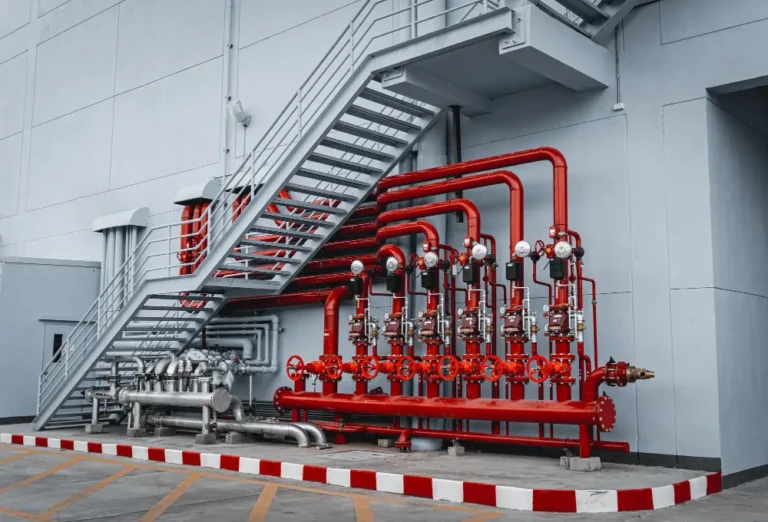
Key Components of Fire Safety in Smart Infrastructure
1. Fire Detection Systems
Modern fire detection systems use advanced sensors to detect smoke, heat, or gas at an early stage. In smart buildings, these systems are often integrated into the building’s IoT framework. When a sensor detects unusual activity, the system immediately alerts occupants, security personnel, and even local fire departments through connected networks.
Smart detectors can pinpoint the exact location of a fire and automatically activate suppression measures. This rapid response significantly reduces damage and enhances evacuation safety.
2. Fire Suppression Systems
Traditional fire extinguishers alone cannot protect complex smart infrastructures. Today, fire suppression systems such as gas-based, foam-based, and water mist systems are integrated into automated frameworks. These systems can identify the type of fire — electrical, chemical, or structural — and use the most suitable suppression agent to control it.
Smart suppression systems are also energy-efficient and eco-friendly, aligning perfectly with India’s sustainable development goals.
3. Fire Sprinkler Systems
Automated fire sprinkler systems are essential in high-rise and commercial smart buildings. These systems activate only where heat or flames are detected, minimizing water damage while effectively controlling fires. Modern sprinklers are connected to the BMS, ensuring centralized monitoring and maintenance alerts.
4. Smart Monitoring and Analytics
One of the biggest advantages of smart infrastructure is data. Building sensors collect data on temperature, air quality, and electrical load. By analyzing this data, facility managers can identify anomalies that indicate potential fire risks — such as overheating circuits or smoke accumulation. This predictive approach enables preventive action before a fire even starts.
5. Integration with Security and Access Control
In a truly smart environment, fire safety doesn’t function in isolation. Fire detection systems are connected with access control systems, ensuring that doors unlock automatically during emergencies for safe evacuation. They can also trigger alerts in connected surveillance systems to guide emergency teams in real time.
Challenges in Implementing Fire Safety in Smart Infrastructure
While the technology exists, India faces several challenges in implementing comprehensive smart infrastructure fire protection systems:
- Lack of awareness among developers and residents about integrated fire systems.
- Cost concerns, as smart safety systems may require higher initial investment.
- Inconsistent enforcement of fire safety codes across states and municipalities.
- Limited training for personnel managing smart systems.
To overcome these, India needs a stronger collaboration between government bodies, developers, and fire safety professionals. Continuous education, strict adherence to standards like NBC and NFPA, and incentives for compliance can make a real difference.
Government Regulations and Fire Safety Standards
The Government of India has been proactive in updating building codes and promoting fire-safe practices. The National Building Code (NBC) 2016 lays down detailed fire protection and life safety norms for all types of buildings. Local authorities also enforce state-specific regulations for fire safety clearance.
For smart city projects, integrating these standards within digital frameworks ensures compliance and resilience. Municipal fire departments now use digital tools to inspect, approve, and monitor fire systems — making enforcement more transparent and efficient.
Role of Fire Safety Professionals and Facility Managers
Smart infrastructure demands skilled professionals who can bridge the gap between technology and safety. Fire engineers, facility managers, and safety officers play a vital role in:
- Designing integrated fire systems during project planning.
- Conducting regular fire audits and maintenance.
- Training occupants and security teams for emergency response.
- Ensuring data-driven decision-making through system analytics.
Organizations like FSIE are at the forefront of promoting awareness, training, and innovation in the field of fire safety in India. Through exhibitions, conferences, and knowledge-sharing platforms, FSIE connects industry experts to create safer and smarter built environments.
Future of Fire Safety in India’s Smart Infrastructure
The future of fire safety in smart infrastructure is data-driven, predictive, and autonomous. With the rise of AI and machine learning, fire safety systems will soon be capable of anticipating risks based on behavioral patterns — like unusual power usage or air composition changes.
Moreover, the integration of drones, robots, and thermal imaging will revolutionize fire response, especially in high-risk industrial or urban zones. India’s focus on smart cities and digital transformation provides the perfect platform for these innovations.
As India moves toward becoming a global leader in sustainable infrastructure, prioritizing smart infrastructure fire protection ensures that progress never comes at the cost of safety.
Also read: What is building security and why is it important
Final Thoughts
Fire safety is an invisible guardian of every smart project. As buildings become “intelligent,” their protection systems must evolve too. Combining technology, regulation, and human expertise can make India’s smart cities both advanced and resilient.
Smart fire protection is not an expense — it’s an investment in life, property, and sustainability. Let’s make safety a part of every blueprint.
If you wish to learn more about fire safety solutions or explore upcoming industry events, visit FSIE.in or contact our team here.