Choosing the Right Fire Suppression System for Data Centers and IT Parks
Data centers and IT parks are the backbone of modern business. They store critical data, run applications, and support daily operations. Even a small fire incident can lead to major losses, downtime, and data damage. That is why choosing the right fire suppression system is not optional. It is a core part of infrastructure planning.
For facility managers and safety officers in India, this decision becomes even more important due to increasing compliance requirements and growing digital infrastructure.
Why Fire Protection in Data Centers Is Different
Fire safety in a data center is not the same as in offices or factories. Traditional methods like water-based systems can damage servers and electronic equipment. At the same time, ignoring fire risks can result in system failure and business loss.
A data center needs a balance between:
- Fast fire detection
- Immediate suppression
- Minimal damage to equipment
- Compliance with safety standards
This is where a well-designed fire detection system and suppression strategy becomes critical.
Understanding Fire Risks in IT Environments
Before selecting any system, you need to understand the common fire risks:
- Electrical short circuits
- Overheating of servers
- Cable insulation failures
- Power supply units and batteries
- Human error during maintenance
Even small sparks can quickly turn into serious incidents due to dense equipment setups.
Types of Fire Suppression Systems for Data Centers
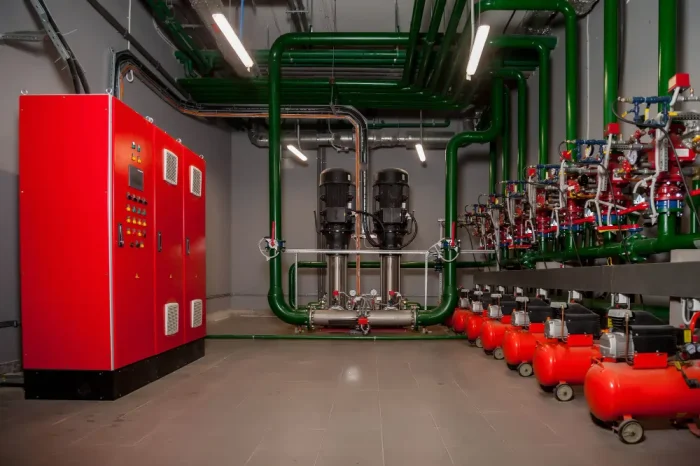
1. Clean Agent Fire Suppression Systems
Clean agent systems are one of the most preferred solutions for data centers.
These systems use gas-based agents that extinguish fire without leaving residue. They do not damage servers or IT equipment.
Key benefits:
- No water damage
- Fast response time
- Safe for electronic systems
- Minimal cleanup
This type of fire suppression system is ideal for server rooms and control centers.
2. Water Mist Systems
Water mist systems use fine droplets instead of heavy water flow.
They reduce fire temperature and oxygen levels without flooding the area.
Advantages:
- Less water usage
- Reduced damage compared to traditional sprinkler systems
- Effective cooling
These systems are becoming popular in modern IT parks where a hybrid approach is required.
3. Fire Sprinkler Systems (Pre-Action Systems)
Traditional fire sprinkler systems are not always suitable for data centers. However, pre-action sprinkler systems are designed specifically for sensitive environments.
They work in two steps:
- Fire detection system confirms the fire
- Water release is activated
This reduces the risk of accidental discharge.
4. Inert Gas Suppression Systems
These systems reduce oxygen levels in the room to stop combustion.
They are safe for people and equipment when designed correctly.
Benefits include:
- No chemical residue
- Environment-friendly
- Suitable for enclosed spaces
5. Fire Hydrant System for External Protection
While hydrant systems are not used inside server rooms, they are essential for the building perimeter and external firefighting support.
A well-designed fire hydrant system ensures:
- Quick response during large fires
- Support for fire brigade teams
- Compliance with Indian fire safety norms
Also Read: How FSIE Mumbai Connects Fire Exhibitors with Decision Makers
No suppression system can work without proper detection.
- Smoke detectors
- Heat detectors
- Advanced air sampling systems
- Faster response
- Reduced damage
- Better system efficiency
Active vs Passive Fire Protection
A complete fire safety strategy includes both active and passive systems.
Active Fire Protection
These systems actively respond to fire:
- Fire alarms
- Fire suppression systems
- Automatic sprinkler systems
They detect and control fire in real time.
Passive Fire Protection
Passive systems prevent fire spread.
Examples include:
- Fire rated doors
- Fire-resistant walls
- Cable coatings
Passive fire protection ensures that fire remains contained and does not affect the entire facility.
Integration with Security Systems
Modern IT parks require integrated safety solutions.
Fire protection must work with:
- Access control systems
- Biometric security systems
- Building management systems
Integration helps in:
- Automatic shutdown of affected zones
- Controlled evacuation
- Better monitoring
For example, when a fire alarm is triggered, access control systems can unlock emergency exits instantly.
Key Factors to Consider Before Choosing a System
1. Type of Data Center
- Small server room
- Large hyperscale data center
- IT park with multiple tenants
Each setup requires a different approach.
2. Equipment Sensitivity
Highly sensitive equipment needs clean agent or gas-based systems instead of water-based ones.
3. Compliance and Standards
In India, fire safety regulations are becoming stricter.
Facility managers must follow:
- National Building Code (NBC)
- Local fire department guidelines
4. Budget vs Risk
Low-cost systems may save money initially but can lead to higher losses later.
Invest in systems that match risk levels.
5. Maintenance and Reliability
A system is only useful if it works during an emergency.
Regular testing and maintenance are essential.
Common Mistakes to Avoid
- Using standard sprinkler systems in server rooms
- Ignoring early-stage detection
- Lack of integration with security systems
- Poor maintenance practices
- Choosing low-quality equipment
These mistakes can lead to system failure during critical moments.
Importance of Industry Events and Exhibitions
- Latest fire suppression systems
- Advanced detection technologies
- Integrated security solutions
Future Trends in Fire Protection for Data Centers
The industry is evolving quickly. Some key trends include:
- AI-based fire detection systems
- Smart monitoring through IoT
- Environment-friendly suppression agents
- Integration with cloud-based control systems
These innovations are making fire safety more reliable and efficient.
Also Read: Fire Detection and Suppression in Manufacturing Plants
Final Thoughts
Choosing the right fire suppression system for data centers and IT parks is a strategic decision. It is not just about compliance. It is about protecting critical infrastructure, ensuring business continuity, and avoiding costly downtime.
A strong system combines:
- Advanced fire detection
- Suitable suppression technology
- Passive protection measures
- Integration with security systems
Facility managers and safety officers must evaluate risks carefully and invest in systems that provide both safety and reliability.
With the growth of digital infrastructure in India, the need for smart fire safety solutions will only increase. Making the right choice today can prevent major losses tomorrow.