
Fire Detection and Suppression in Manufacturing Plants
Manufacturing plants are high-risk environments when it comes to fire incidents. The presence of combustible materials, heavy machinery, electrical systems, and continuous operations increases the chances of fire hazards. Even a small spark can lead to major losses if proper systems are not in place. That is why a well-planned fire detection and suppression strategy is essential for every facility.
This guide explains how modern fire detection systems and fire suppression systems work in manufacturing plants, what facility managers should focus on, and how Indian industries can stay compliant and safe.
Why Fire Safety is Critical in Manufacturing
Factories operate with multiple risk factors at the same time. These include heat-generating machines, flammable liquids, dust accumulation, and electrical panels. In such conditions, fires can spread very quickly.
Without proper protection:
- Production can stop for weeks
- Equipment damage can be expensive
- Worker safety is compromised
- Legal penalties may arise
This is why fire safety is not just a compliance requirement. It is a business necessity.
Understanding Fire Detection Systems
A fire detection system is the first line of defense. Its job is to identify fire at the earliest stage and alert people before it spreads.
Key Components of Fire Detection
Smoke Detectors
Smoke detectors are used to detect smoke particles in the air. They are ideal for areas like storage units and offices within the plant.
Heat Detectors
These detectors respond to temperature rise. They are suitable for areas where smoke detectors may give false alarms, such as near machinery.
Fire Alarms
Fire alarms provide audible and visual alerts. They help workers evacuate quickly and reduce panic.
Control Panels
The central unit that connects all detectors and alarms. It monitors the entire system and triggers alerts.
Types of Fire Detection Systems
- Conventional systems: Suitable for small plants
- Addressable systems: Ideal for large manufacturing facilities where precise location tracking is needed
In Indian manufacturing plants, addressable systems are becoming more popular because they provide faster response and better control.
Fire Suppression Systems: Controlling Fire Quickly
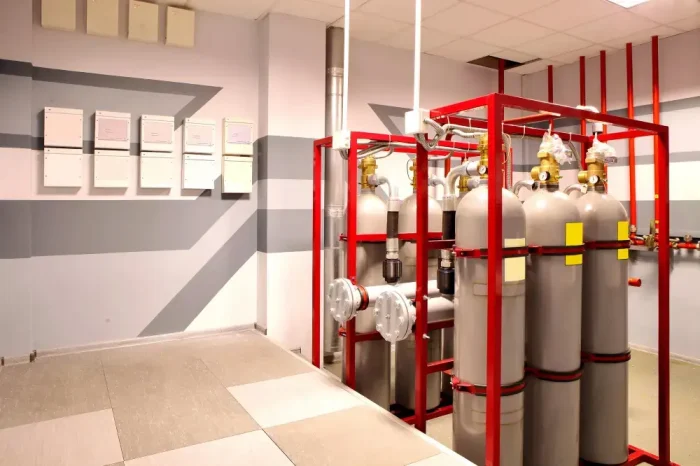
Once a fire is detected, the next step is suppression. Fire suppression systems are designed to control or extinguish fires before they spread.
Common Fire Suppression Systems Used in Plants
Fire Sprinkler Systems
These systems automatically release water when heat is detected. Automatic sprinkler systems are widely used in warehouses and production areas.
Fire Hydrant System
A fire hydrant system provides a continuous water supply for firefighting. It is essential for large industrial facilities and is often required by Indian fire safety regulations.
Water Mist Systems
Water mist systems use fine water droplets to control fire. They are effective in areas with electrical equipment as they use less water.
Gas-Based Suppression Systems
Used in control rooms or server rooms where water can damage equipment. These systems release gas to suppress fire without leaving residue.
Also Read: How FSIE Mumbai Connects Fire Exhibitors with Decision Makers
A strong fire safety plan includes both active and passive protection.
Active Fire Protection
These systems actively respond to fire:
- Fire alarms
- Fire detection system
- Fire sprinkler systems
- Fire suppression systems
They detect and control fire in real time.
Passive Fire Protection
These systems prevent fire from spreading:
- Fire rated doors
- Fire-resistant walls
- Compartmentation
Passive fire protection buys time for evacuation and firefighting.
Role of Security Systems in Fire Safety
Modern manufacturing plants are integrating security systems with fire safety systems for better control.
Key Integrations
Access Control Systems
These systems ensure only authorized personnel enter restricted areas. During a fire, they can unlock exits automatically for quick evacuation.
Biometric Security
Biometric security systems help track employee presence. In emergencies, this data helps identify who is inside the plant.
Combining fire safety and security improves overall safety management.
Responsibilities of Safety Officers and Facility Managers
Safety officers and facility managers play a key role in fire protection. Their responsibilities include:
- Regular inspection of fire detection systems
- Maintenance of fire suppression systems
- Conducting fire drills
- Training employees on emergency procedures
- Ensuring compliance with Indian fire safety norms
They must also coordinate with local fire authorities and keep documentation updated.
Fire Safety Compliance in India
Manufacturing plants in India must follow guidelines set by:
- National Building Code (NBC)
- State fire departments
- Industrial safety regulations
Key compliance requirements include:
- Installation of fire hydrant system
- Proper fire alarm systems
- Emergency exits and signage
- Regular audits
Non-compliance can lead to penalties and shutdowns.
Common Fire Risks in Manufacturing Plants
Understanding risks helps in better planning.
Electrical Fires
Caused by faulty wiring or overloaded circuits
Chemical Fires
Common in industries using flammable liquids
Dust Explosions
Seen in food processing and woodworking plants
Machinery Overheating
Continuous operation can cause overheating
Each risk requires a specific fire detection system and suppression approach.
Best Practices for Fire Safety in Plants
To improve fire safety, manufacturing plants should follow these practices:
Install Advanced Detection Systems
Use addressable fire detection systems for accurate alerts.
Regular Maintenance
Check fire alarms, sprinklers, and hydrants regularly.
Employee Training
Train workers on how to respond during a fire.
Emergency Planning
Have clear evacuation plans and assembly points.
System Integration
Integrate fire safety with security systems for better control.
Importance of Fire Safety Exhibitions in India
Events like Fire & Security India Expo and other fire safety exhibition 2026 India platforms are important for industry professionals.
These exhibitions help:
- Discover new fire suppression systems
- Learn about advanced technologies
- Network with fire safety experts
- Understand compliance updates
Attending a fire and security expo in India can help facility managers upgrade their systems and stay ahead of risks.
Future Trends in Fire Safety
Fire safety in manufacturing is evolving with technology.
Smart Fire Detection
IoT-based systems provide real-time alerts and remote monitoring
AI-Based Risk Analysis
Artificial intelligence can predict fire risks before they occur
Integrated Safety Platforms
Combining fire detection, suppression, and security systems into one platform
Eco-Friendly Suppression
New systems use less water and environmentally safe agents
These trends are shaping the future of industrial safety.
Conclusion
Fire detection and suppression in manufacturing plants is not optional. It is a critical part of operations. With the right combination of fire detection systems, fire suppression systems, and passive fire protection, plants can reduce risks and protect both people and assets.
Facility managers and safety officers must take a proactive approach. Regular maintenance, proper training, and system upgrades are key to effective fire safety.
In India, where industrial growth is rapid, investing in modern fire safety solutions is essential. Whether it is installing automatic sprinkler systems, upgrading fire alarms, or attending industry events like Fire & Security India Expo 2026, every step contributes to a safer workplace.
A well-prepared plant is not just compliant. It is resilient, efficient, and ready for the future.