
Reducing Environmental Damage Through Modern Fire Suppression Systems
In today’s fast-growing infrastructure landscape, fire safety is no longer just about protecting life and property. It is also about reducing environmental damage. From large commercial complexes to industrial plants, modern fire suppression systems play a critical role in limiting ecological impact during fire incidents.
Across India, especially in metro cities and industrial zones, the adoption of advanced fire protection technologies is increasing. Events like the Fire & Security India Expo 2026 and major fire safety exhibition in Mumbai platforms highlight how innovation in fire safety is directly linked to sustainability.
Why Environmental Impact Matters in Fire Safety
Fires cause more than immediate destruction. They release toxic gases, contaminate water, and damage ecosystems. Traditional firefighting methods often use excessive water or chemicals, which can worsen environmental harm.
Modern fire suppression systems aim to:
- Minimize water wastage
- Reduce chemical discharge
- Limit smoke and toxic emissions
- Control fire quickly to prevent spread
For facility managers and safety officers, this shift is essential, especially in large-scale infrastructure projects like airports, data centers, refineries, and smart cities.
Evolution of Fire Suppression Technologies
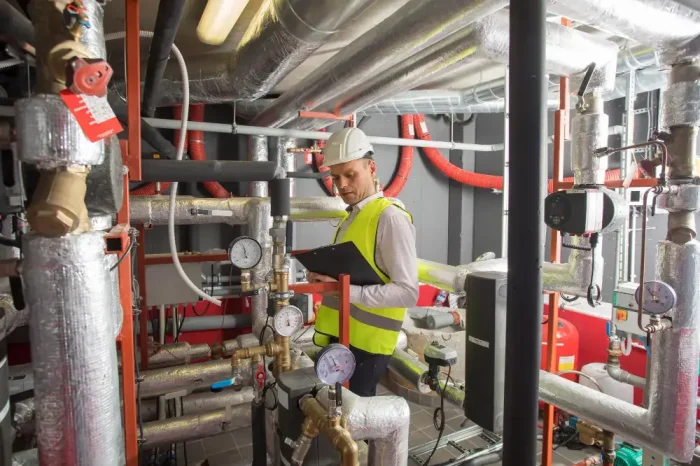
Earlier systems relied heavily on bulk water discharge through fire hydrant system networks or basic fire sprinkler systems. While effective in controlling flames, they often caused water damage and runoff contamination.
Today, advanced systems include:
- Water mist systems
- Smart fire detection system integration
- Environment-friendly suppression agents
- Precision-based automatic sprinkler systems
These systems are designed to act faster and use fewer resources, reducing both fire damage and environmental impact.
Role of Fire Detection in Preventing Damage
A fire that is detected early causes far less environmental harm. Modern fire detection system solutions combine:
- Intelligent smoke detectors
- Heat sensors
- AI-enabled monitoring
These systems work alongside fire alarms to alert occupants and trigger suppression mechanisms instantly.
In large infrastructure projects like metro rail networks or IT parks, early detection helps:
- Prevent large-scale fires
- Reduce toxic smoke release
- Minimize resource consumption during firefighting
Also Read: How FSIE Mumbai Connects Fire Exhibitors with Decision Makers
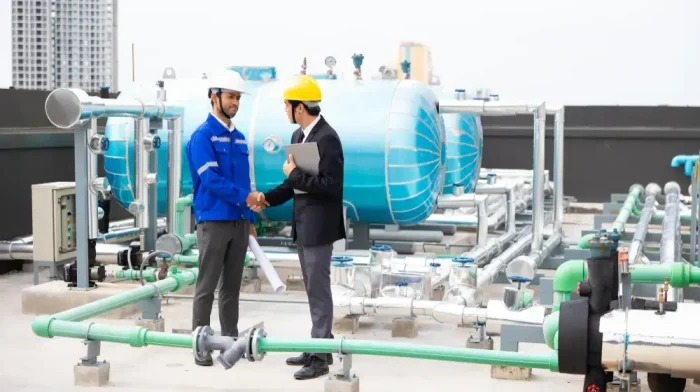
Water is one of the most used resources in firefighting. However, excessive use leads to waterlogging and contamination.
Modern solutions like water mist systems use fine droplets to:
- Cool flames rapidly
- Reduce oxygen supply
- Use up to 90% less water compared to traditional systems
Similarly, upgraded fire sprinkler systems and automatic sprinkler systems are designed to activate only in affected zones, preventing unnecessary water discharge.
This is especially beneficial in:
- Data centers
- Warehouses
- Airports
- Hospitals
Integration with Passive Fire Protection
Key components include:
- Fire rated doors that contain flames
- Fire-resistant walls and materials
- Compartmentalization of buildings
By limiting the spread of fire, these solutions reduce:
- Structural damage
- Smoke emission
- Need for extensive suppression
- Large infrastructure projects now combine passive and active systems for a balanced approach.
Chemical-Free and Clean Suppression Agents
Traditional suppression methods often used chemicals that could harm the environment. Modern systems focus on clean agents that:
- Leave no residue
- Do not harm electronic equipment
- Have low global warming potential
This is critical in sensitive environments like:
- Data centers
- Laboratories
- Control rooms
The shift towards eco-friendly suppression is a major topic at every fire and security expo in India, including the upcoming Fire Expo and security expo Mumbai 2026.
Smart Integration with Security Systems

Modern fire safety is closely linked with security systems. Integration with:
- Access control systems
- Biometric security
- Central monitoring dashboards
ensures faster response during emergencies.
- Access systems unlock exits during fire events
- Security systems guide evacuation routes
- Real-time data helps emergency teams act quickly
Real Use-Cases in Large-Scale Infrastructure
1. Airports and Metro Stations
Large public infrastructure uses integrated fire detection system and fire suppression systems to manage high footfall safely. Zoned sprinkler systems prevent water wastage while ensuring rapid response.
2. Data Centers
Data centers rely heavily on water mist systems and clean agents. These prevent equipment damage while reducing environmental impact.
3. Industrial Plants
Factories and refineries use a combination of fire hydrant system, foam systems, and advanced detection to control hazardous fires with minimal ecological damage.
4. Smart Cities
Smart city projects in India are adopting intelligent fire alarms, IoT-based monitoring, and sustainable suppression technologies.
Importance for Facility Managers and Safety Officers
For facility managers and safety officers, the focus has shifted from compliance to sustainability.
Key responsibilities include:
- Selecting eco-friendly fire suppression systems
- Ensuring regular system maintenance
- Training staff on efficient emergency response
- Integrating fire safety with overall building management systems
Modern infrastructure demands a proactive approach where fire safety also supports environmental goals.
Industry Trends Highlighted at Fire Expos
Events like Fire & Safety Expo 2026, Fire Exhibition in Mumbai, and security expo India showcase the latest innovations in sustainable fire protection.
Key trends include:
- AI-powered fire detection system
- Smart automatic sprinkler systems
- Green-certified suppression technologies
- Integration with building automation systems
Platforms such as Fsie Mumbai and other security exhibitions in Mumbai help industry professionals stay updated with evolving standards.
Future of Eco-Friendly Fire Safety in India
India’s infrastructure growth is accelerating, with new industrial corridors, smart cities, and mega projects. This makes sustainable fire safety more important than ever.
Future developments will focus on:
- Ultra-low water consumption systems
- AI-driven predictive fire detection
- Environment-friendly suppression agents
- Fully integrated fire and security ecosystems
The upcoming Fire Safety Exhibition 2026 India and Mumbai Fire Expo will likely showcase these advancements in detail.
Conclusion
Reducing environmental damage through modern fire suppression systems is no longer optional. It is a necessity for sustainable development.
By combining:
- Advanced fire detection system
- Efficient fire sprinkler systems
- Smart security systems
- Strong passive fire protection
industries can significantly reduce the ecological impact of fire incidents.
As India continues to invest in large-scale infrastructure, adopting these technologies will not only protect assets but also preserve the environment for future generations.
For professionals looking to stay ahead, attending platforms like Fire & Security India Expo 2026 and other leading fire safety expo Mumbai events can provide valuable insights into the future of fire safety and sustainability.