
Fire Protection Challenges in Warehouses and Logistics Facilities
Warehouses and logistics facilities are growing fast across India, especially in and around Mumbai. With the rise of e-commerce, cold storage hubs, and large distribution centers, these spaces now handle high-value goods, complex operations, and 24/7 activity. But along with growth comes a serious concern—fire risk.
Fire incidents in warehouses are not rare. In fact, they can spread faster here than in most other buildings. The reason is simple: high storage density, combustible materials, and large open layouts. This makes fire protection not just a compliance requirement, but a critical business necessity.
Let’s break down the real challenges and how modern fire protection strategies are evolving to address them.
Why Warehouses Are High-Risk Fire Zones
Warehouses are different from offices or residential buildings. They store large volumes of goods—often stacked high. Many of these goods are flammable, such as packaging materials, textiles, chemicals, or electronics.
In cities like Mumbai, where space is limited, warehouses often go vertical. High-rack storage increases fire load and makes firefighting more difficult.
Some key risk factors include:
- Dense storage with limited spacing
- Use of plastic packaging and pallets
- Electrical equipment and charging stations
- Poor ventilation in enclosed areas
- Human error or lack of trained safety officers
A small spark can quickly turn into a major fire if the right systems are not in place.
Challenge 1: Delayed Fire Detection
One of the biggest problems in warehouses is delayed detection. Fires often start in hidden areas—inside racks, behind stored goods, or in electrical panels.
Traditional smoke detectors may not be enough in such environments. High ceilings can delay smoke reaching the sensors.
What Works Better
A modern fire detection system should include:
- Beam-type smoke detectors for large open spaces
- Aspirating smoke detectors for early detection
- Heat sensors in high-risk zones
- Integrated fire alarms connected to control panels
These systems detect fire at an early stage, giving facility managers enough time to act.
In large logistics hubs near Mumbai, advanced fire alarms are now integrated with building management systems. This ensures real-time alerts and faster evacuation.
Challenge 2: Ineffective Fire Suppression in High-Rack Storage
Putting out a fire in a warehouse is not easy. High racks block water flow. Fire spreads vertically and horizontally at the same time.
Standard fire sprinkler systems may not reach the base of the fire effectively.
Modern Solutions
Today, warehouses are adopting specialized fire suppression systems like:
- ESFR (Early Suppression Fast Response) sprinkler systems
- In-rack sprinkler systems
- Water mist systems for sensitive goods
- Foam-based systems for chemical storage
Automatic sprinkler systems are designed to activate quickly and control fire before it spreads.
For example, in large e-commerce warehouses in Mumbai, ESFR systems are now a standard requirement. They deliver high water density directly to the fire source.
Challenge 3: Water Supply and Hydrant Limitations
A fire hydrant system is essential for firefighting teams. But in many warehouses, water pressure and storage are not adequate.
During a major fire, insufficient water supply can lead to total loss.
Key Considerations
- Dedicated fire water tanks
- High-capacity fire pumps
- Properly designed fire hydrant system with adequate coverage
- Regular maintenance and testing
In large infrastructure projects, dual water sources and backup pumps are now being used to ensure uninterrupted supply.
Challenge 4: Lack of Passive Fire Protection
Many facilities focus only on active systems like sprinklers and alarms. But passive fire protection is equally important.
It helps contain fire and prevents it from spreading to other sections.
Critical Passive Measures
- Fire rated doors to isolate fire zones
- Fire-resistant walls and partitions
- Sealing of cable and pipe openings
- Smoke barriers
In modern warehouses, zoning is becoming a key strategy. This limits damage and gives more time for evacuation.
Also read: Easy Upgrades to Improve Fire Safety in Your Building.
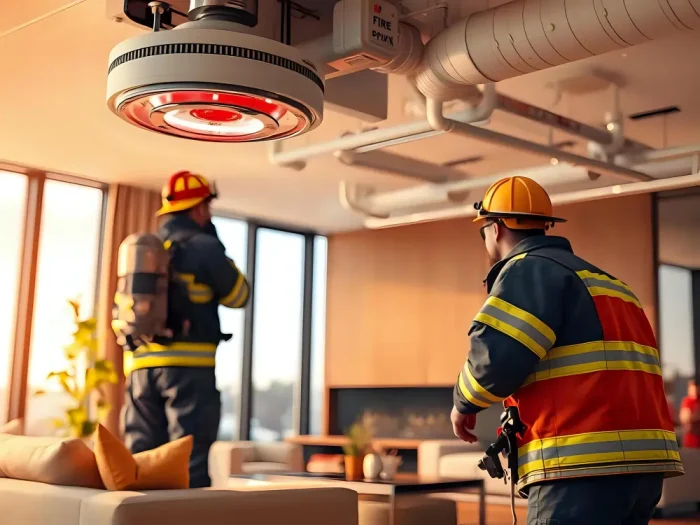
Challenge 5: Human Error and Training Gaps
Even the best systems fail if people are not trained. Many warehouse fires are caused by negligence—improper handling of equipment, overloading circuits, or ignoring safety protocols.
Role of Safety Officers
Safety officers and facility managers play a crucial role. They ensure:
- Regular fire drills
- Equipment inspections
- Compliance with safety standards
- Emergency response planning
Training staff to use fire extinguishers and understand evacuation routes can save lives.
Challenge 6: Integration with Security Systems
Modern warehouses rely heavily on security systems. But fire safety and security often work in silos.
This creates delays during emergencies.
Smart Integration
Today’s facilities are integrating:
- Access control systems with fire alarms
- Biometric security for controlled entry
- CCTV systems for fire monitoring
- Centralized control rooms
For example, when a fire alarm is triggered, access control systems can automatically unlock exit doors. This ensures smooth evacuation.
Real Use Case: Large Logistics Hub in Mumbai
A major logistics park near Mumbai recently upgraded its fire protection infrastructure after a minor incident.
What They Implemented
- Advanced fire detection system with aspirating sensors
- ESFR-based fire sprinkler systems
- Zoned fire hydrant system
- Fire rated doors across storage sections
- Integrated security systems with emergency override
The result was improved response time and reduced risk exposure. Insurance premiums also dropped due to better compliance.
The Role of Industry Events and Knowledge Sharing
Staying updated with the latest fire safety technologies is important. Industry events like Fire & Security India Expo 2026 are helping professionals understand new solutions.
These platforms bring together:
- Fire equipment manufacturers
- Security system providers
- Safety consultants
- Facility managers
Events such as Fire & Security India Expo and other fire safety exhibitions in Mumbai showcase real-world applications and innovations.
For anyone managing large warehouses, attending such expos can provide practical insights and networking opportunities.
Compliance and Regulations in India
Fire safety in warehouses is governed by national and local regulations. In Mumbai, compliance with fire department norms is mandatory.
Key requirements include:
- Installation of fire alarms and suppression systems
- Regular audits and certifications
- Emergency evacuation plans
- Maintenance of fire equipment
Non-compliance can lead to heavy penalties and operational shutdowns.
Future Trends in Warehouse Fire Safety
As warehouses become smarter, fire protection is also evolving.
Some emerging trends include:
- AI-based fire detection systems
- IoT-enabled monitoring of fire equipment
- Automated emergency response systems
- Use of drones for fire assessment
Large-scale projects are now focusing on predictive safety rather than reactive measures.
Conclusion
Fire protection in warehouses and logistics facilities is complex. It requires a combination of technology, planning, and human awareness.
From fire detection systems to fire suppression systems, every layer plays a role. Passive fire protection adds another level of safety, while trained safety officers ensure smooth execution.
In fast-growing hubs like Mumbai, where infrastructure is expanding rapidly, investing in robust fire and security systems is not optional—it is essential.
Facility managers must take a proactive approach. Regular upgrades, staff training, and participation in industry events like Fire & Security India Expo can make a significant difference.
A well-protected warehouse is not just safer—it is also more efficient, reliable, and future-ready.